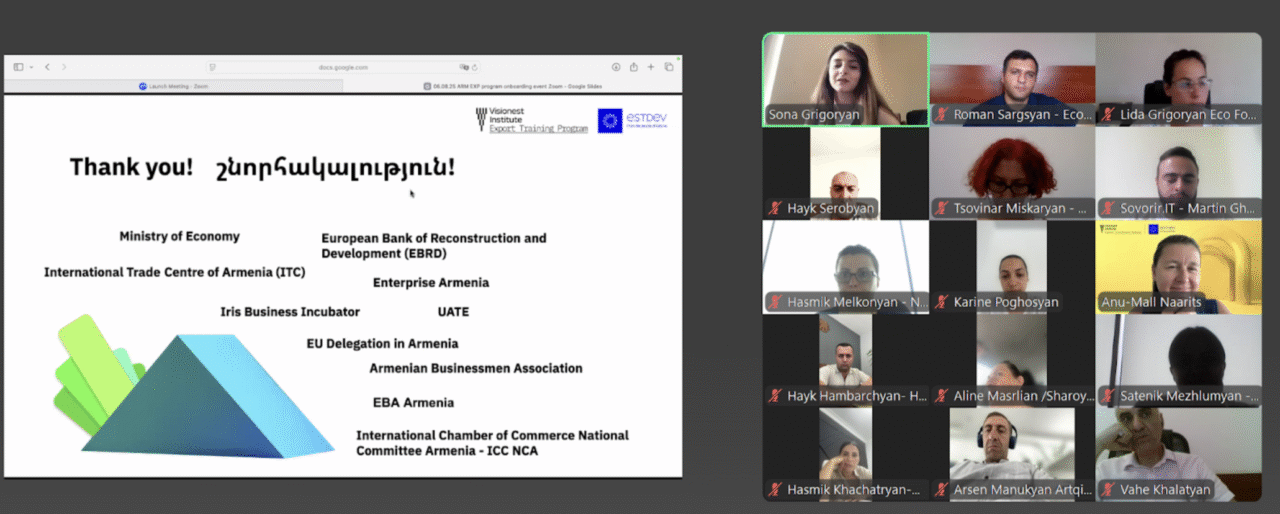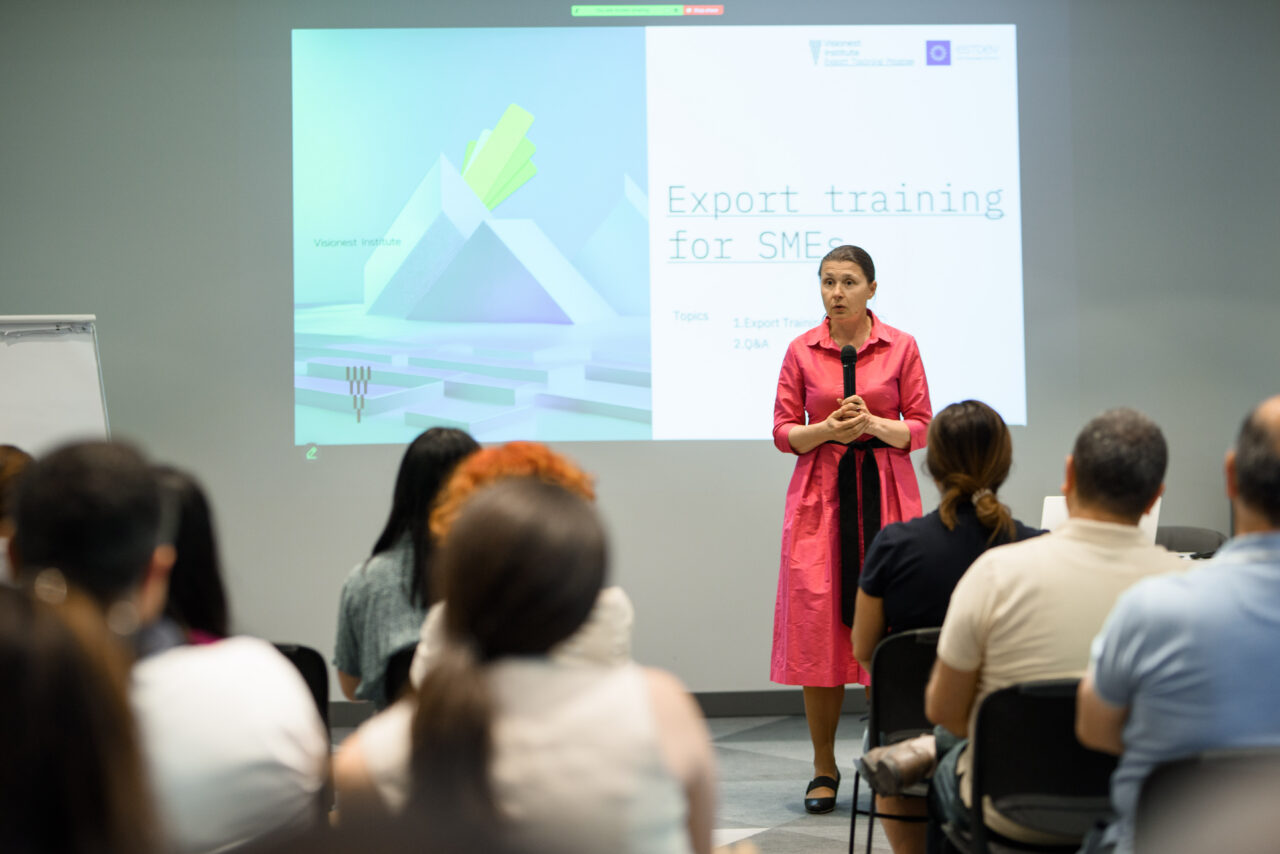
On 6 August, we held the first onboarding session with the 60 Armenian SMEs selected for our export training programme.
It was a straightforward Zoom call — cameras on, names updated, a few routine fixes — and a clear first step. For many teams, it was also the first proper conversation with us about how the next months will actually work.
We didn’t arrive cold
In April and again in June, we met with organisations that already support Armenian businesses and export promotion. Those meetings shaped our approach and helped us reach the right companies ahead of the Info Day in Yerevan on 6 June.
Outreach was very much a team effort. Many partners shared the call with their members; ITC Armenia, EBRD, and the Ministry of Economy were especially active. We also appreciated help from the Embassy of Sweden and a wider circle of business associations who strengthened the signal.
The response exceeded our original target
We received 90 applications and selected 60 companies for the programme — ten more than planned. The cohort is intentionally broad: food and drink, apparel and design, light manufacturing, services and IT.
We open on 10 September and graduate on 10 December. Over seven modules, companies will move from readiness and market selection to practical questions such as offer adaptation, pricing across the value chain, logistics and customs, partner discovery, digital marketing and e-commerce, and basic export financials and ROI.
The format is hands-on: short learning videos to frame each topic, live workshops to apply the methods to real cases, written tasks in shared workspaces, and clear feedback to keep momentum.
One principle guided our preparation and will guide delivery: we complement, we don’t compete. Where partners already provide strong services — access to finance, or help with international certifications or standards for example — we point companies there rather than recreating it.
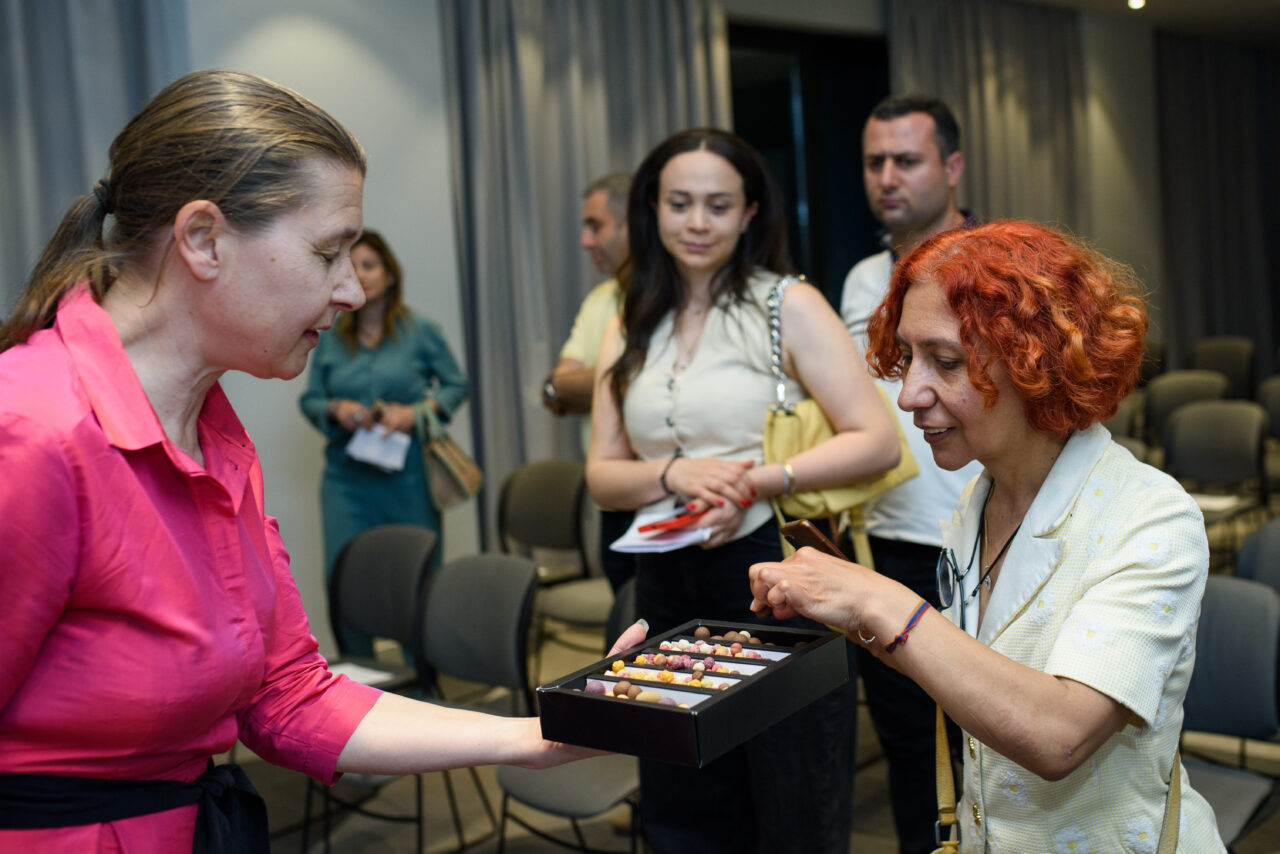
Our contribution is practical export capability: analysis, choices, planning, and first actions, supported by international mentors and peer exchange.
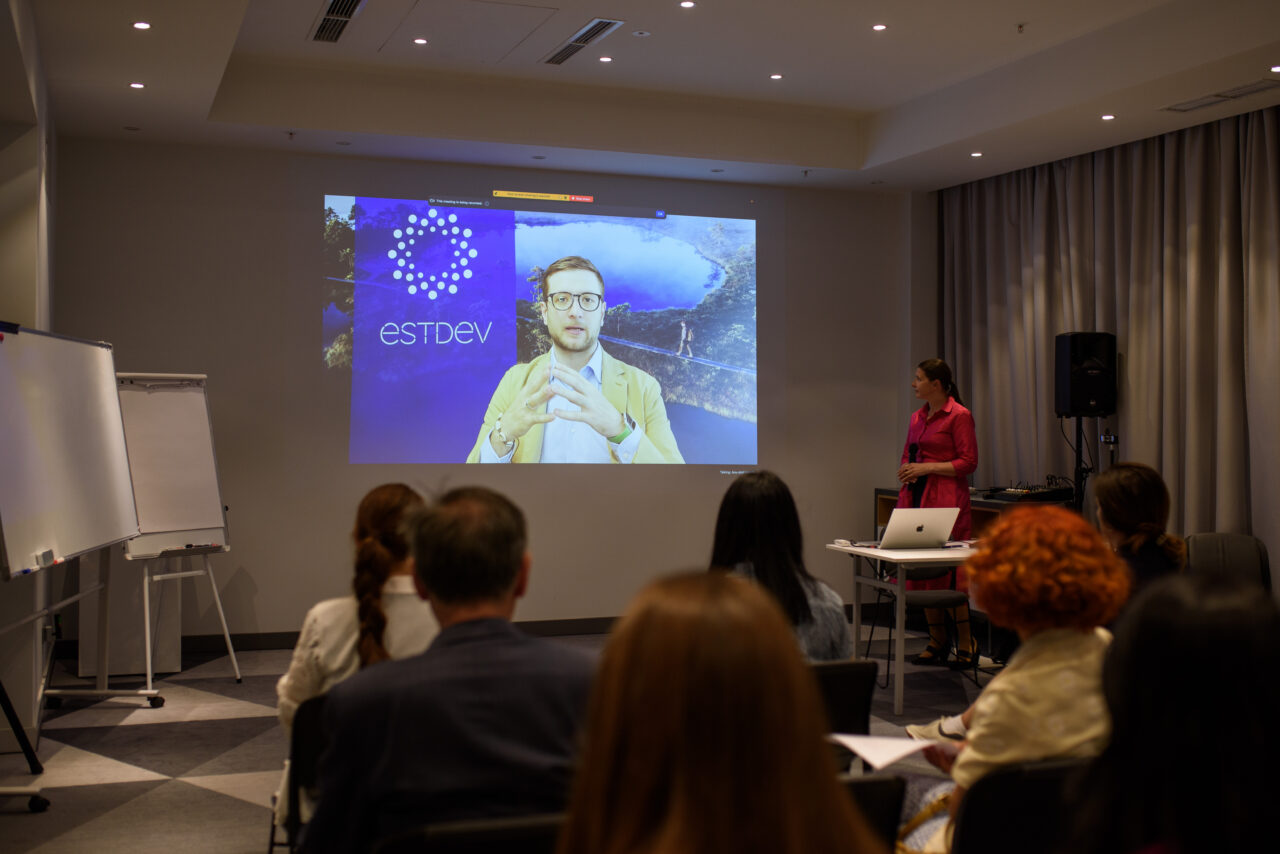
This first call was simple by design. It gave people a clear picture of the months ahead and gave us a first glimpse of their ambitions. Now the work begins: steady, practical steps that add up. We’re curious about what these companies will build — and we’re ready to help them do it.The programme is funded by ESTDEV (the Estonian Centre for International Development), and our role is to make that support count at firm level — and remain in the community. That’s why we also gave opportunity for selected NGOs and ecosystem actors to participate at training sessions, so the skills and methods spread beyond individual companies.