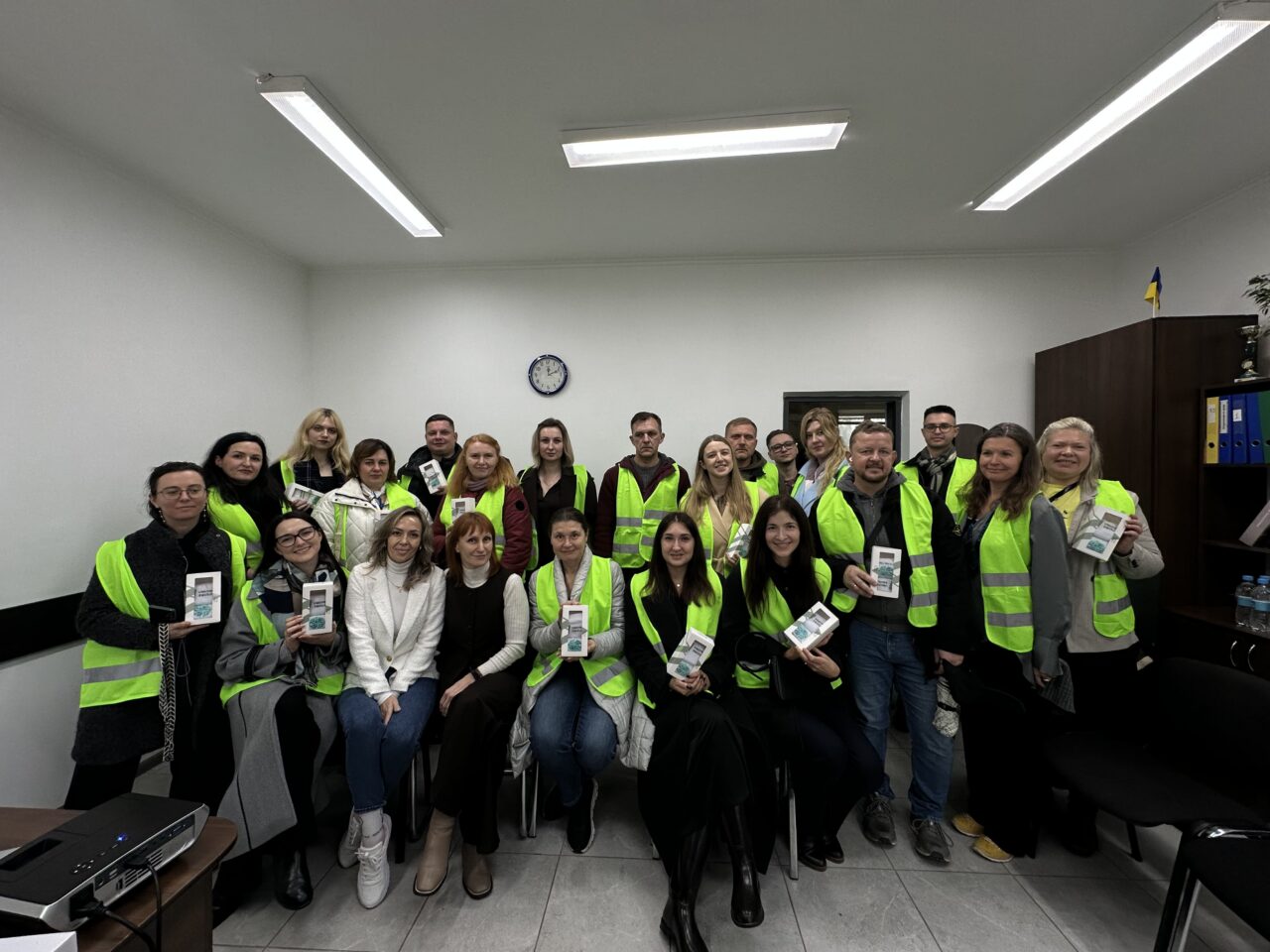
As part of the Unite for Trade initiative — a 12‑month international entrepreneurship and export‑development program for businesses from the Zhytomyr region — participants recently visited PP “Lehka Khoda.” This marked the third business‑focused excursion within the program, offering a unique opportunity to explore production processes, discuss export needs, and strengthen communication among regional companies.
PP “Lehka Khoda”, founded in 1935 as the Zhytomyr Hosiery Factory, has survived war, Soviet‑era restructuring and the turbulence of independence. Relaunched under private investment in 2021, the company now produces more than 500,000 pairs of socks each month.
Legacy and Scale
Lehka Khoda traces its roots back to 1935, originally operating as the Zhytomyr Hosiery Factory. Through decades — including destruction during World War II, Soviet-era transformations, and the upheavals around Ukrainian independence — the enterprise evolved, and in 2021 was relaunched under private investment.
Today, the company works from a modern facility still based in Zhytomyr, carrying forward a legacy of quality. Over nearly 90 years, the brand has built deep expertise in hosiery manufacturing, balancing tradition with modern market demands.
Lehka Khoda currently produces more than 500,000 pairs of socks monthly, covering products for men, women, children — from infants to older adults. The company uses over 200 pieces of knitting, sewing, and finishing equipment, and employs roughly 140–210 professionals (depending on source).

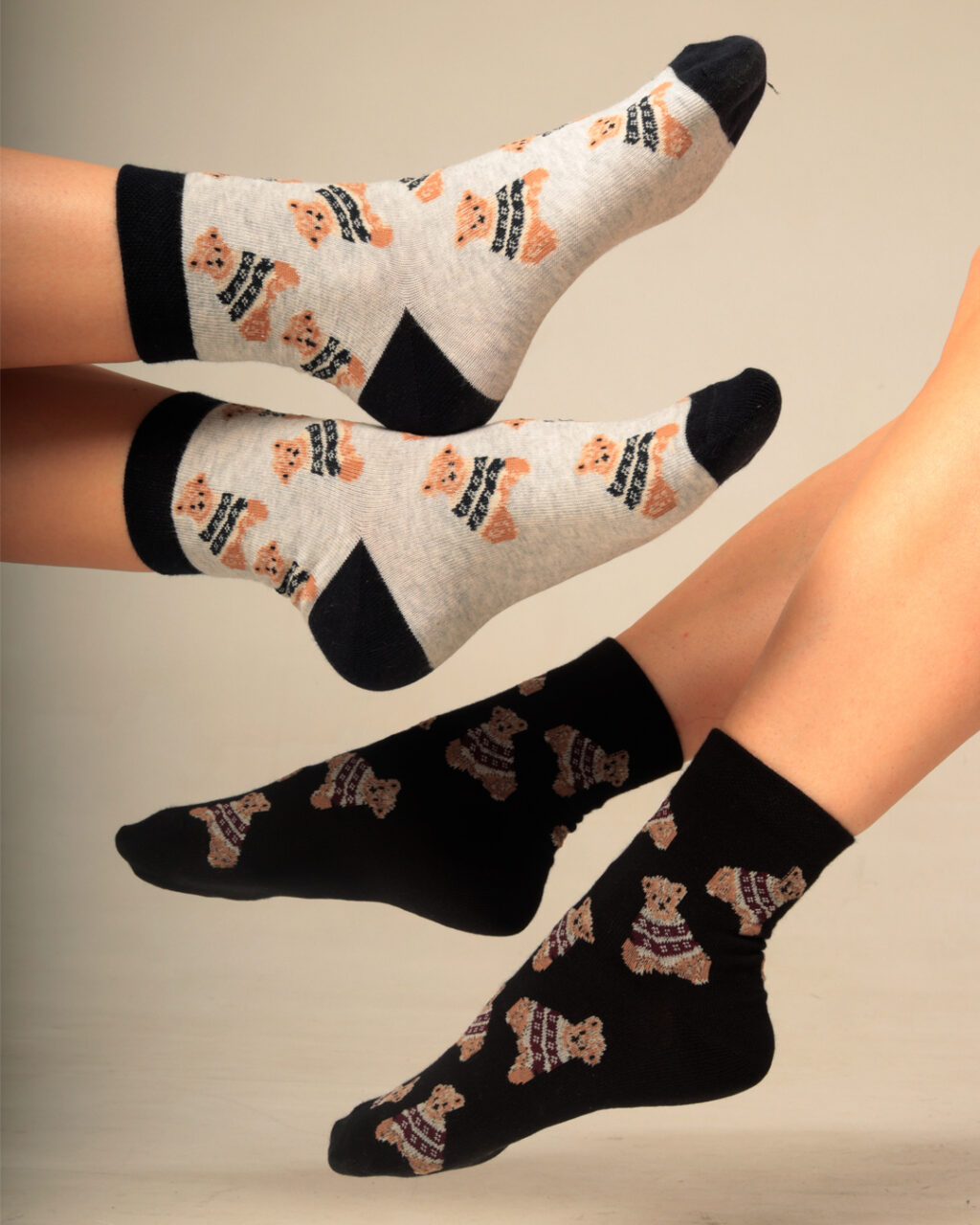
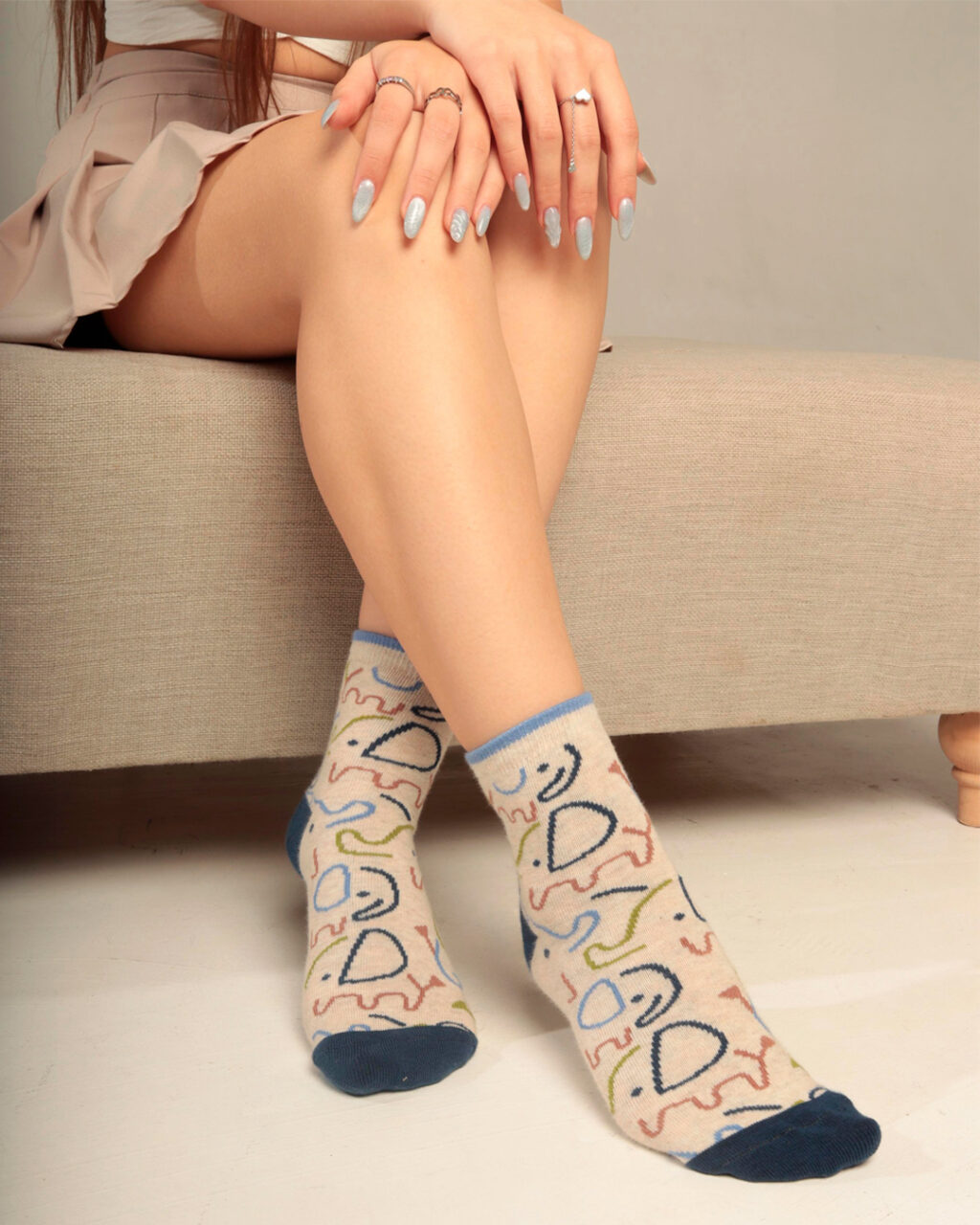
What distinguishes Lehka Khoda is its commitment to using natural and high‑quality materials: cotton, bamboo, viscose, modal, semi‑wool, and mercerized cotton — targeting customers from age 0 to 99+, offering comfort, safety, and long-lasting use.
The product line is broad: besides standard socks, the brand offers invisible socks, knee‑high socks, tights and leggings for women and children, and even customized solutions (e.g. non-compression socks for people with swelling or special needs).
Lehka Khoda reportedly maintains a catalog of over 870 SKUs, with seasonal design updates and releases to align with market trends.
Adaptation, Innovation, and a New Brand Identity
With the war and changing market conditions, Lehka Khoda had to adapt. The company reinvented its identity — rebranding, launching a modern online store, relocating production to a new site — and importantly, expanded its range beyond classic monochrome socks. They now produce colorful socks and tights following fashion trends.
Notably, at the onset of large‑scale war, Lehka Khoda — after a brief forced halt — resumed operations within weeks. The company did not lay off employees, continued to pay wages, and maintained production, with demand for their products remaining high.
Additionally, Lehka Khoda has supported the Ukrainian Armed Forces by supplying products (socks) for defenders, demonstrating civic responsibility and solidarity amid war.
Our Visit and Factory’s Reflection
During the Unite for Trade business visit, participants toured the modern production premises, observed every stage — from fiber selection to knitting, finishing, packaging — and saw how machinery and expertise combine to produce high‑standard hosiery. It became clear how Lehka Khoda combines industrial scale with attention to detail, quality, and sustainability.
Factory representatives described the day as “an important step in building trust and establishing international trade connections,” adding: “Lehka Khoda is not just socks. This is modern Ukrainian manufacturing, ready for cooperation.”
The visit also sparked valuable feedback from other participants of Unite for Trade:
- “It was very useful to see how a company operating in the B2B segment began developing B2C, what new resources it engaged, and how it adapted existing ones for this new direction. I will definitely follow the development of the company’s retail operations — it’s a very interesting case. Wishing the company success in launching new showrooms.”
- “A very warm atmosphere and an informative tour.”
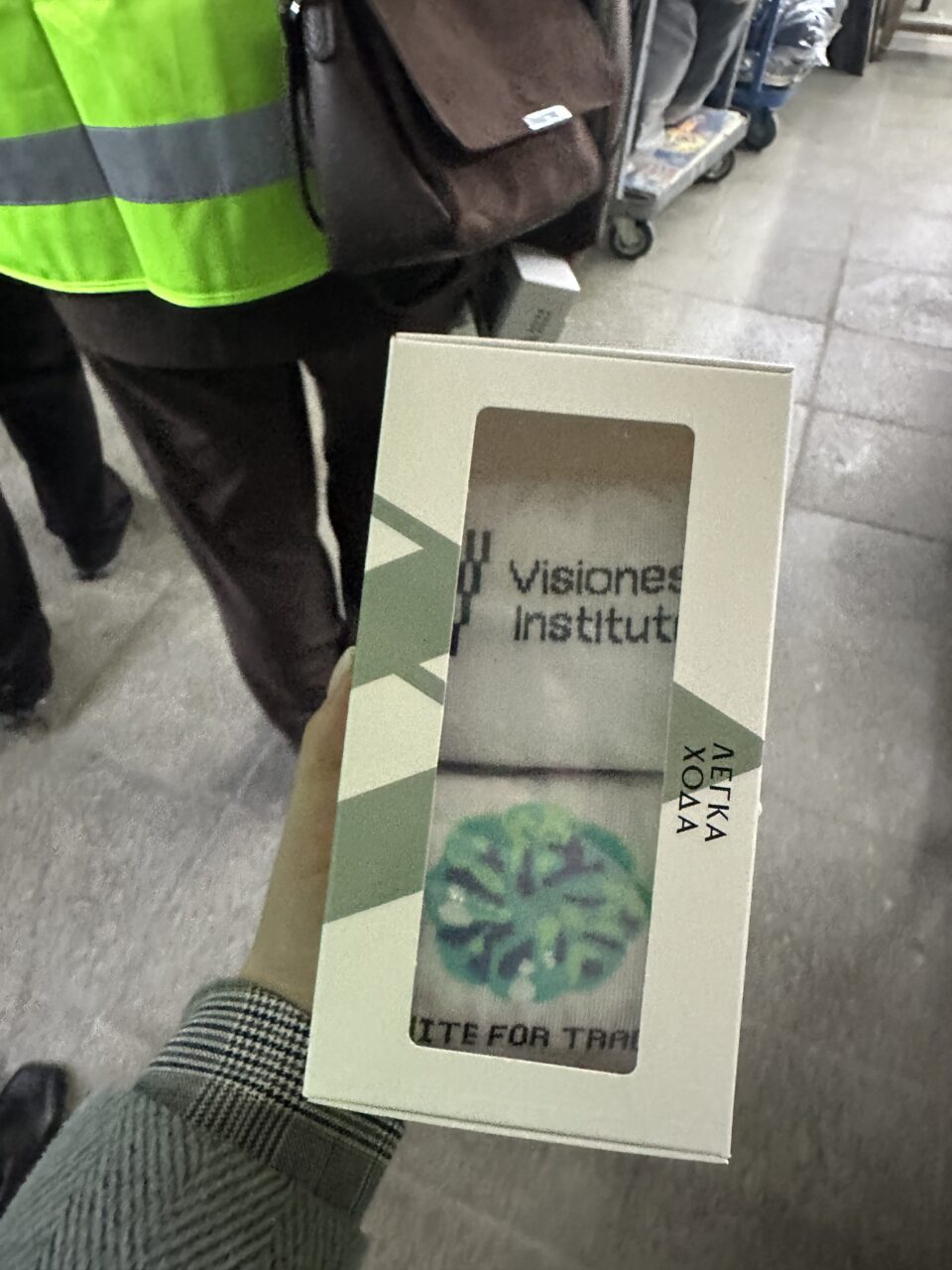
At the end of the visit, each participant received two pairs of branded socks — one bearing the logo of the Visionest Institute, the other the logo of Unite for Trade. All participants said the gesture was a memorable reminder of the partnership between the programme and the factory.
“It may seem a small detail, but it was so heartfelt and charming — those socks with logos that the company gave us as gifts” – сomments one of the study tour participants.
Why This Matters: From Regional Industry to Global Markets
The visit and the broader story of Lehka Khoda illustrate several important trends and lessons:
- Even legacy companies with decades of history can reinvent themselves to meet modern demands — combining tradition with trend‑responsive design, and classical quality with modern aesthetic.
- Regional companies in Ukraine can operate at scale, using sophisticated equipment and large workforce, producing hundreds of thousands of items monthly — a strong basis for export and collaboration.
- In times of crisis, production and social responsibility can go hand in hand: supporting employees, maintaining operations, and contributing to national efforts (e.g. support for defenders).
- Export‑oriented strategies, rebranding, and diversification (both product‑ and market‑wise) can open new opportunities abroad — providing a path for SMEs and medium business to scale internationally.
For participants of Unite for Trade, such visits are more than tours — they are windows into real business potential, opportunities for partnership, learning, and eventual export collaboration across sectors.
The Unite for Trade program is developed and implemented by Visionest Institute in Ukraine (Estonia) in cooperation with the Entrepreneurship and Export Promotion Office under the national Diia.Business project, and the Honorary Consulate of the Republic of Estonia in Zhytomyr. The program is financed by ESTDEV — the Estonian Centre for International Development.
