Tbilisi, Georgia – December 2025
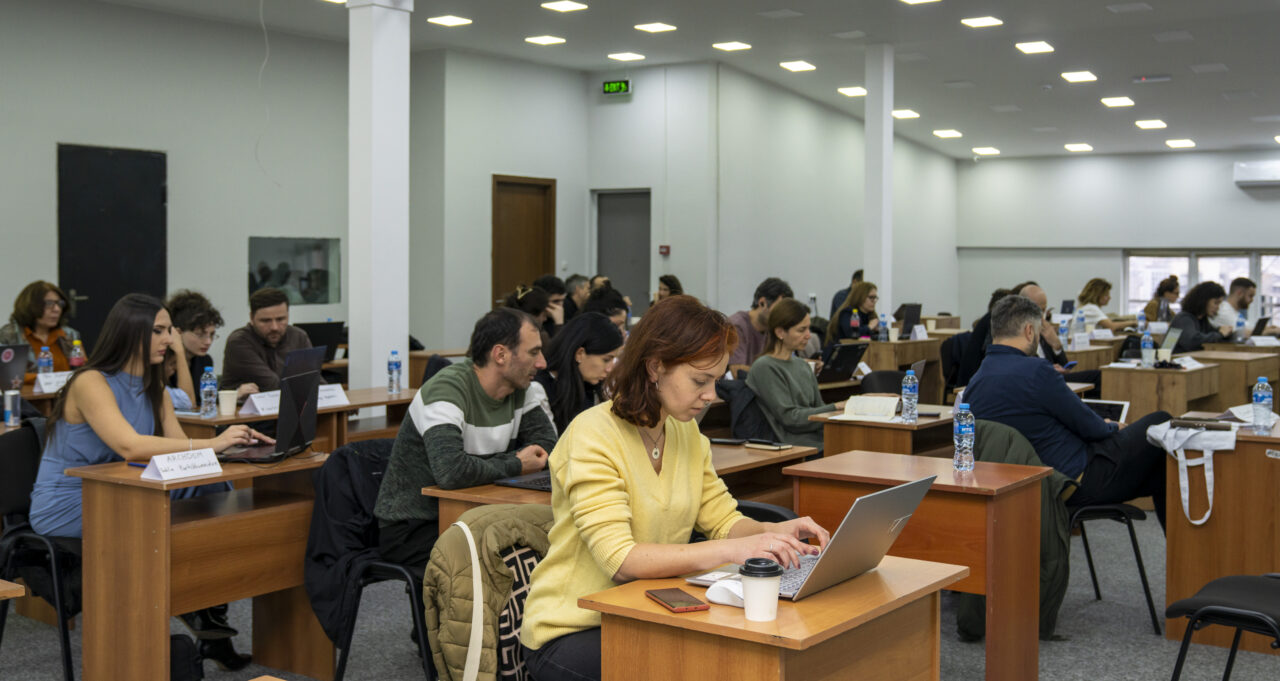
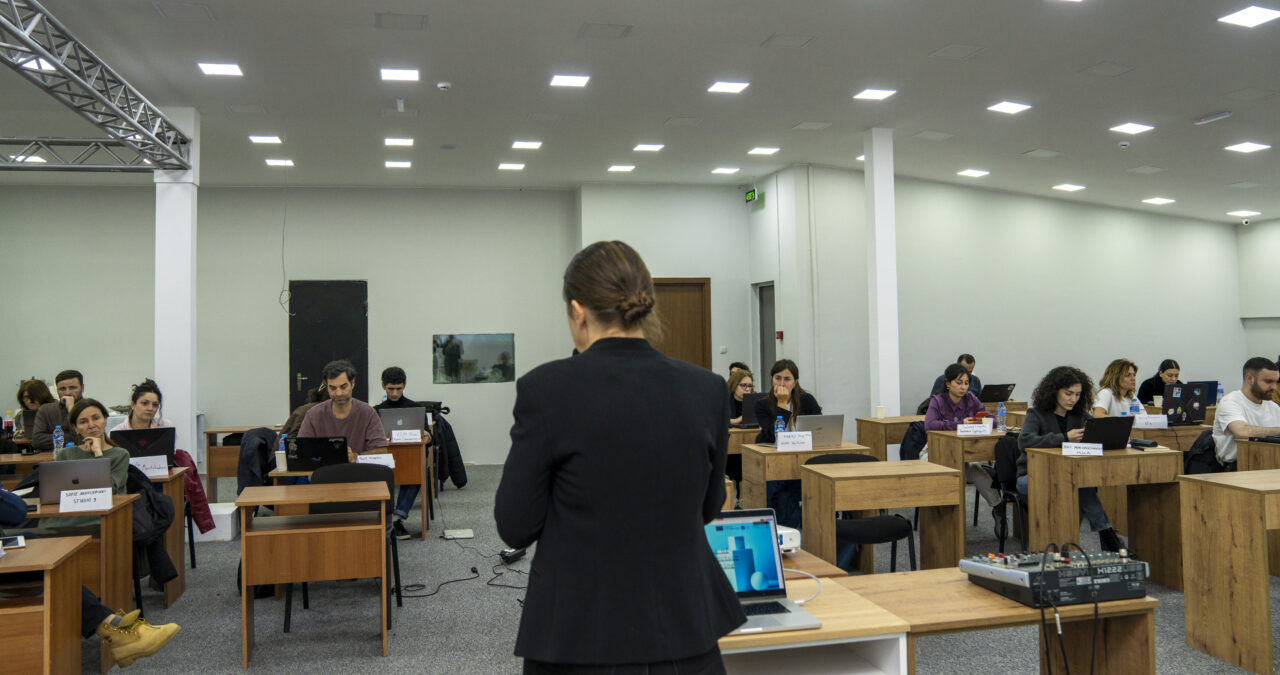
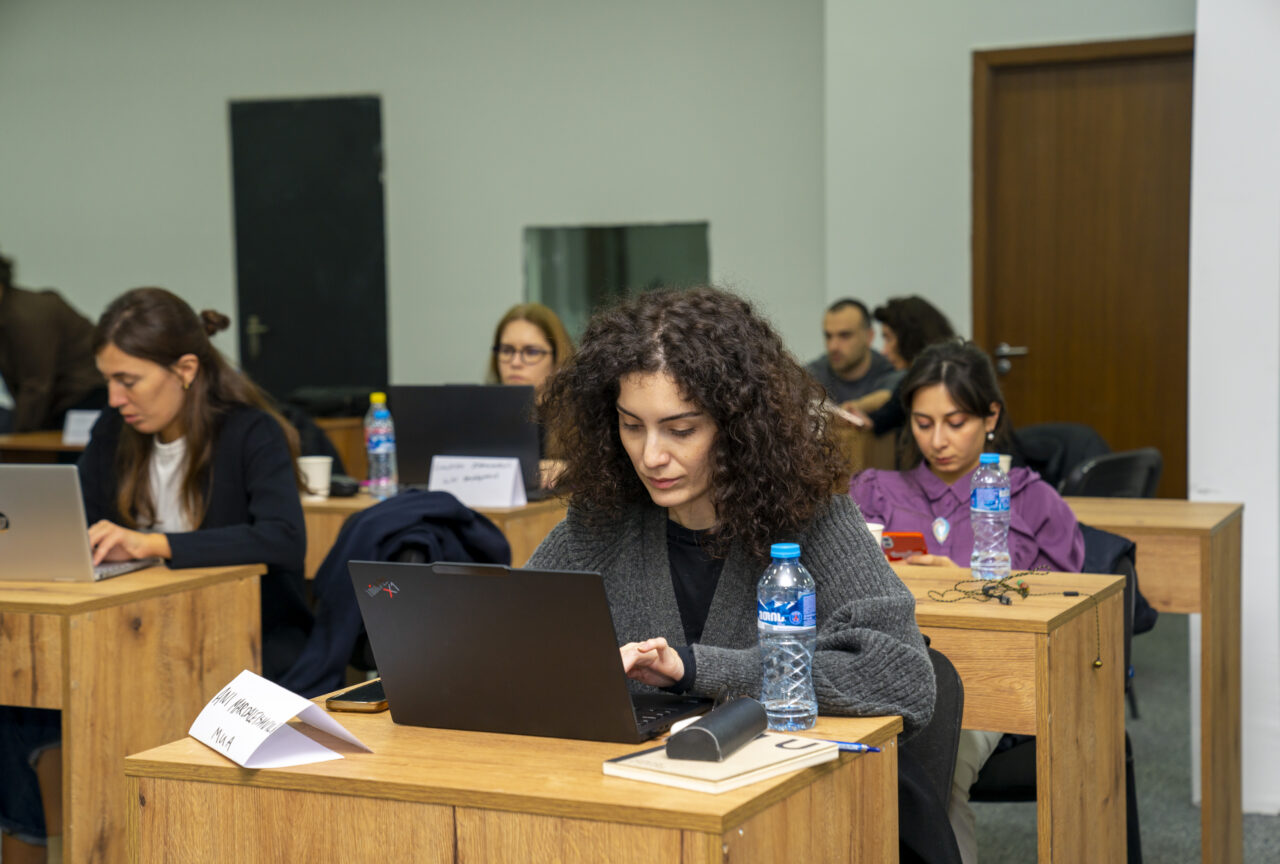
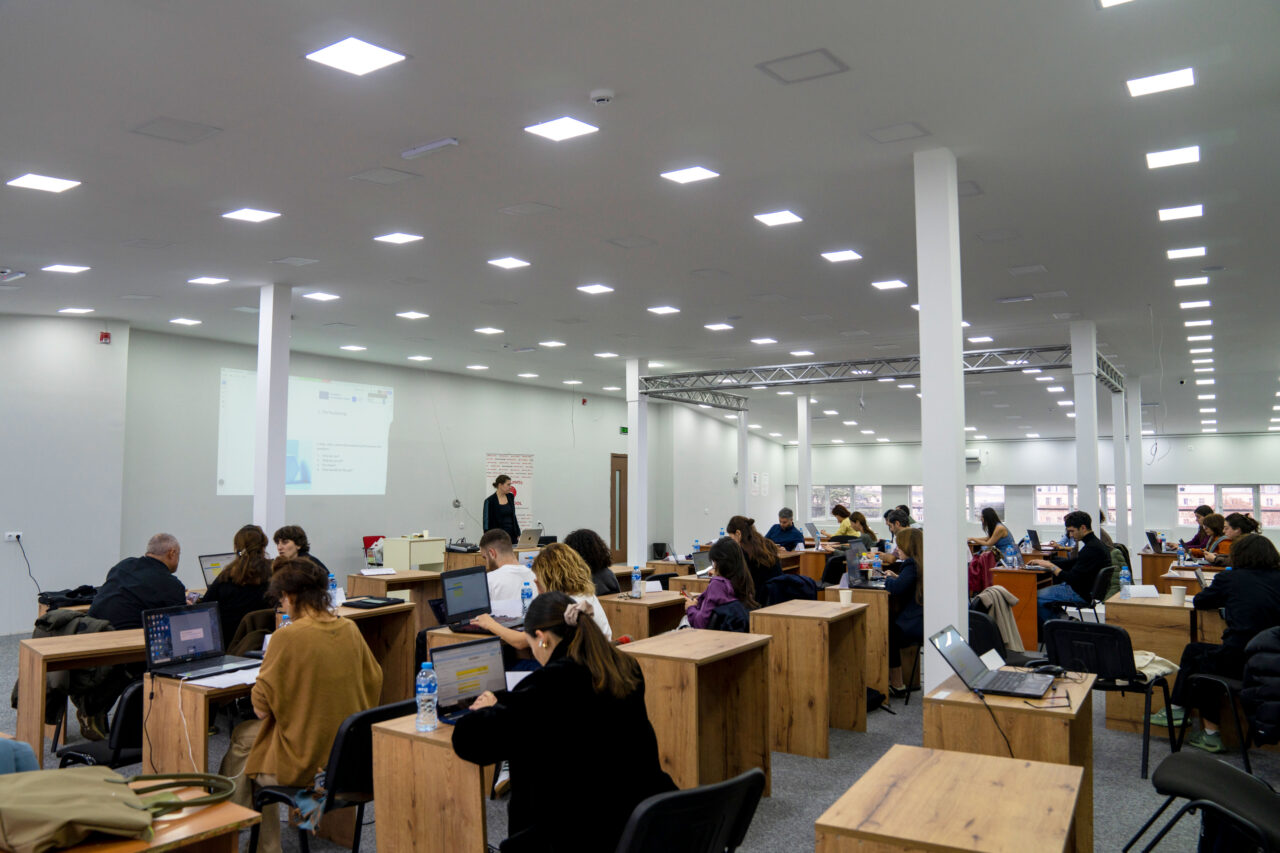
The first stage of the program took place on 8-9 December 2025 at the UG School in Tbilisi. Across two full training days, the hall was filled with energy, active discussion, and a sense of collective ambition. By the end of the sessions, 22 architectural companies had successfully completed the on-site portion, and 34 professionals were officially recognized for their participation – a strong start highlighting the sector’s commitment and capability.
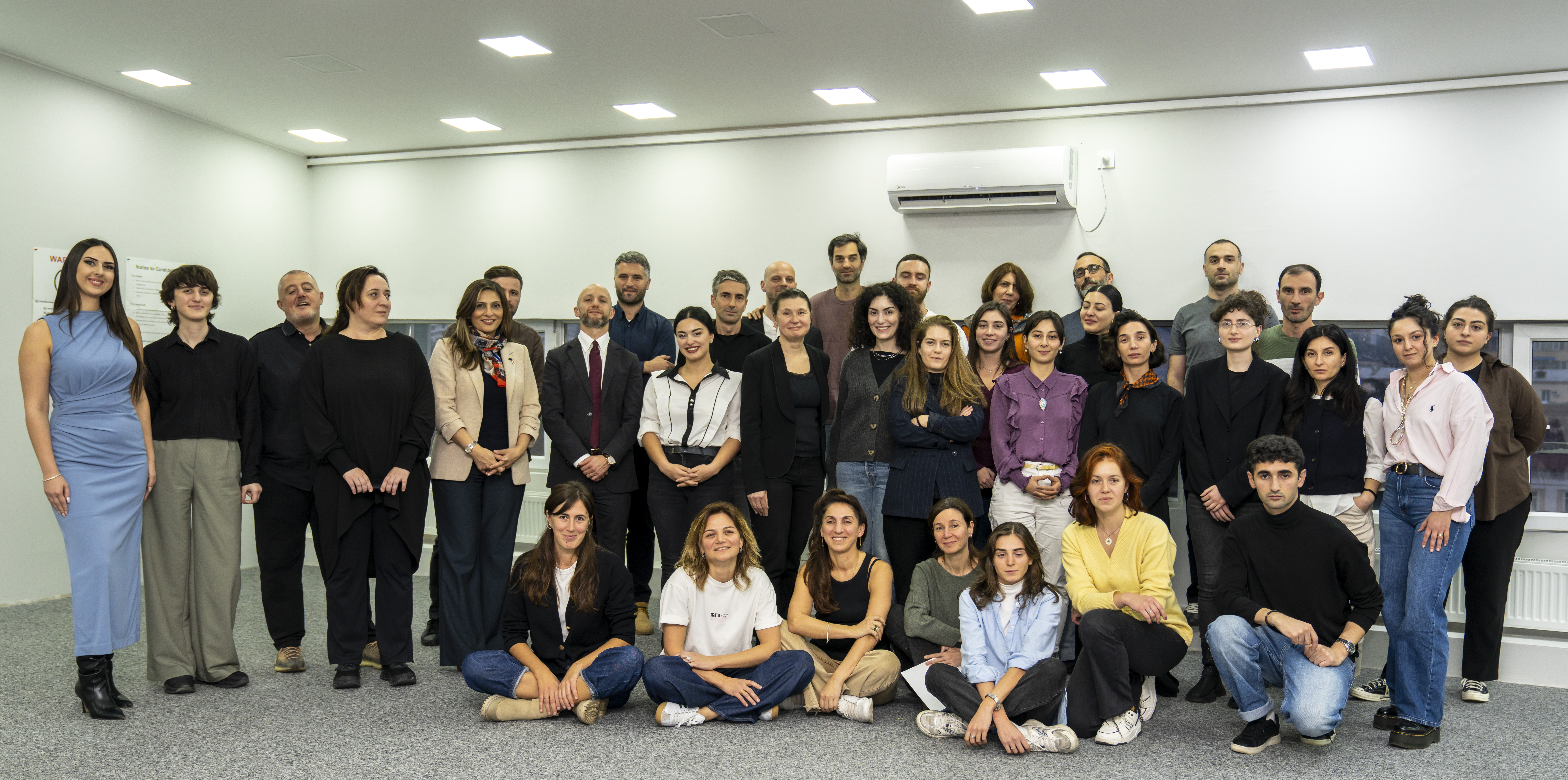
Day 1: Growth Mindset & Export Foundations
The first day focused on what sustainable growth means for architectural firms. Participants reflected on their own firm goals, identifying both their ambitions and the key obstacles standing in the way of international expansion. Under the guidance of Export Trainer Karin Kiviste, they explored the regulatory landscape for architects entering European markets, gaining clarity on EU standards, licensing expectations, and professional practices abroad.
In the afternoon, Export Strategist Anu-Mall Naarits led participants through global export models for architectural firms. These discussions helped companies see the bigger picture – not just where they stand today, but which strategic direction could best support long-term growth. By the end of the first day, participants were more confident in defining their goals and increasingly aware of opportunities in European markets.
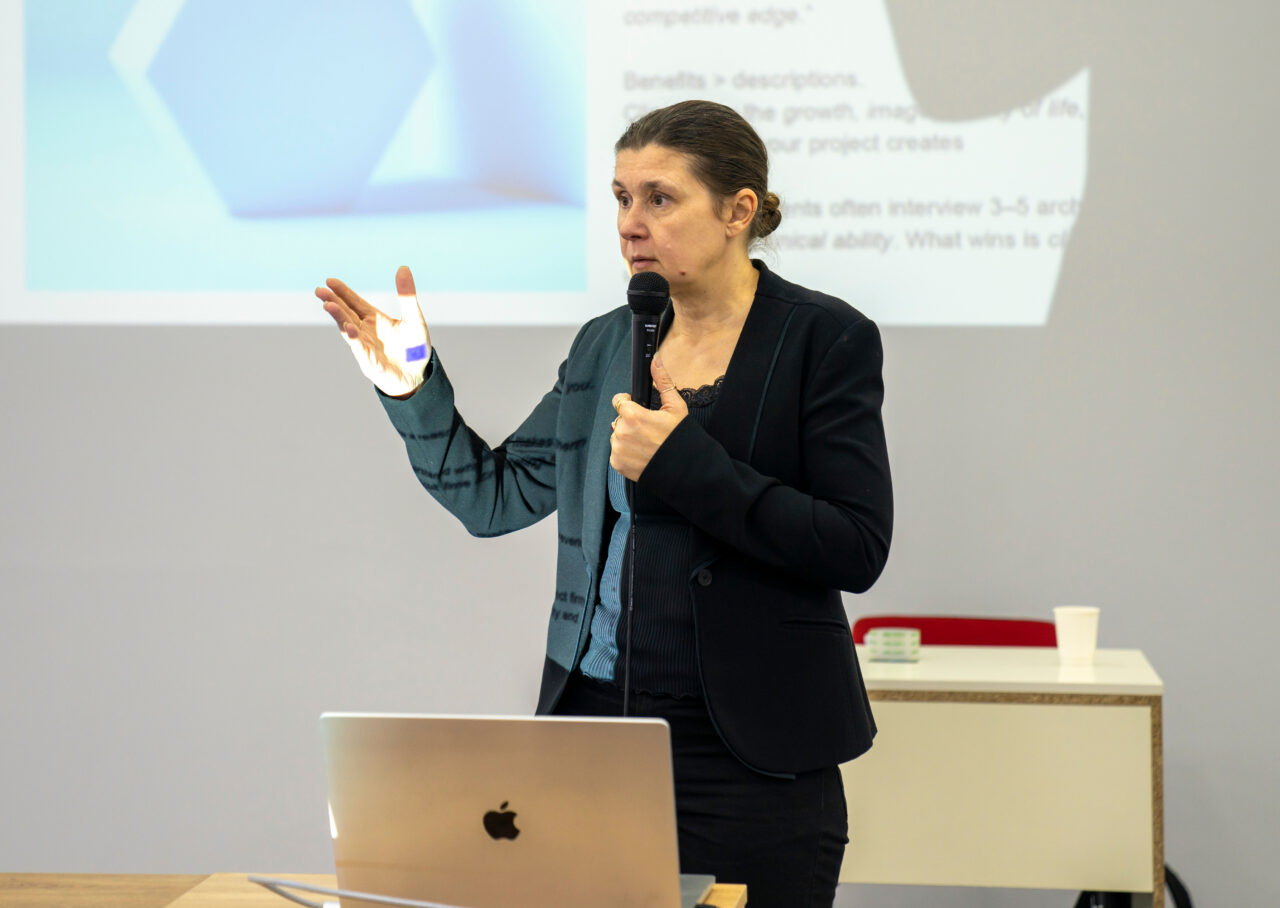
Day 2: Market Intelligence, Research Skills & Positioning
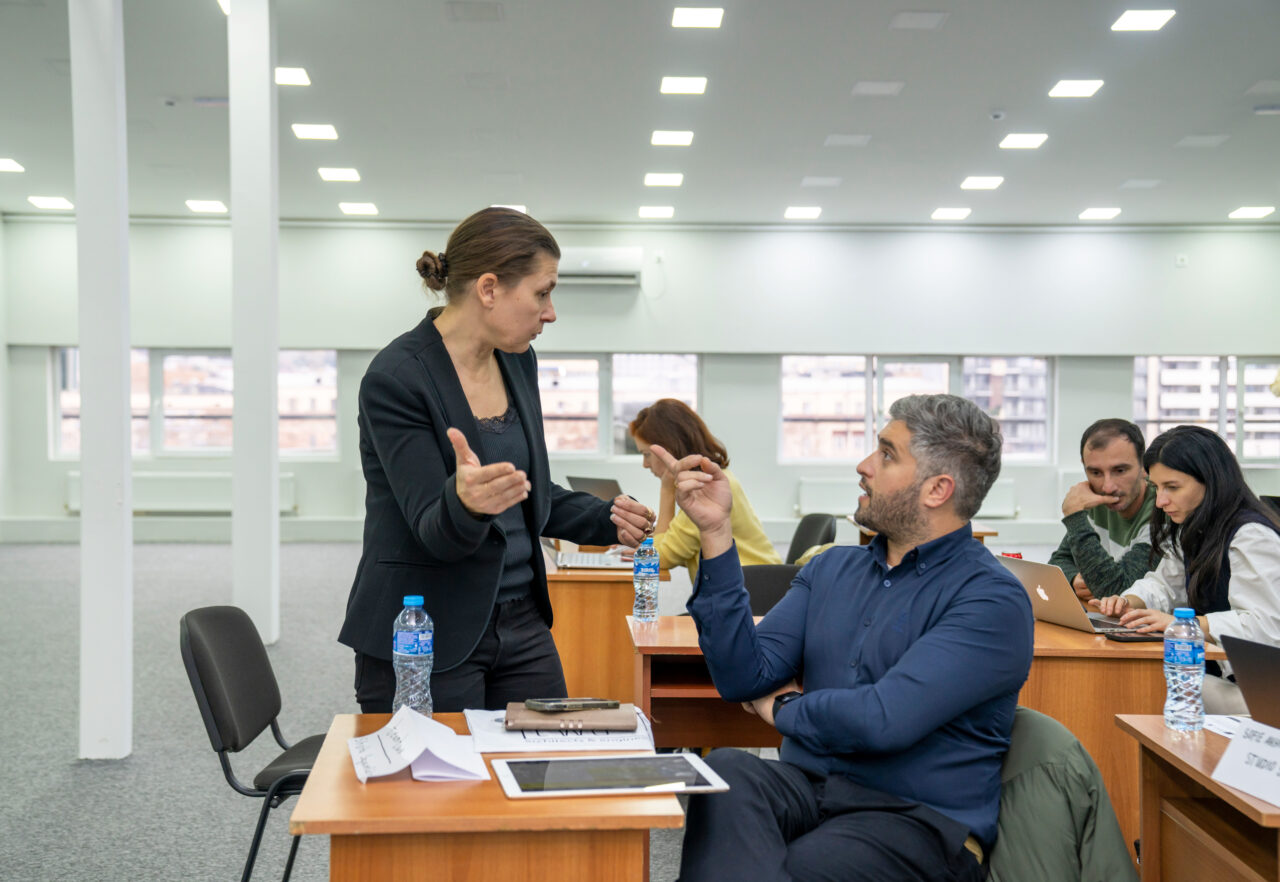
The second day shifted to practical approaches for entering foreign markets. Karin guided participants through market mapping techniques and research tools, complemented by real case studies of companies that successfully entered EU markets. This hands-on approach gave firms insights into effective preparation and market analysis.
Anu-Mall then introduced the “6Ps of Architectural Marketing,” a framework for thinking strategically about service offerings, communication, differentiation, and brand identity. Architects reflected on their unique positioning – the qualities that distinguish their work and provide a competitive edge when approaching international clients.
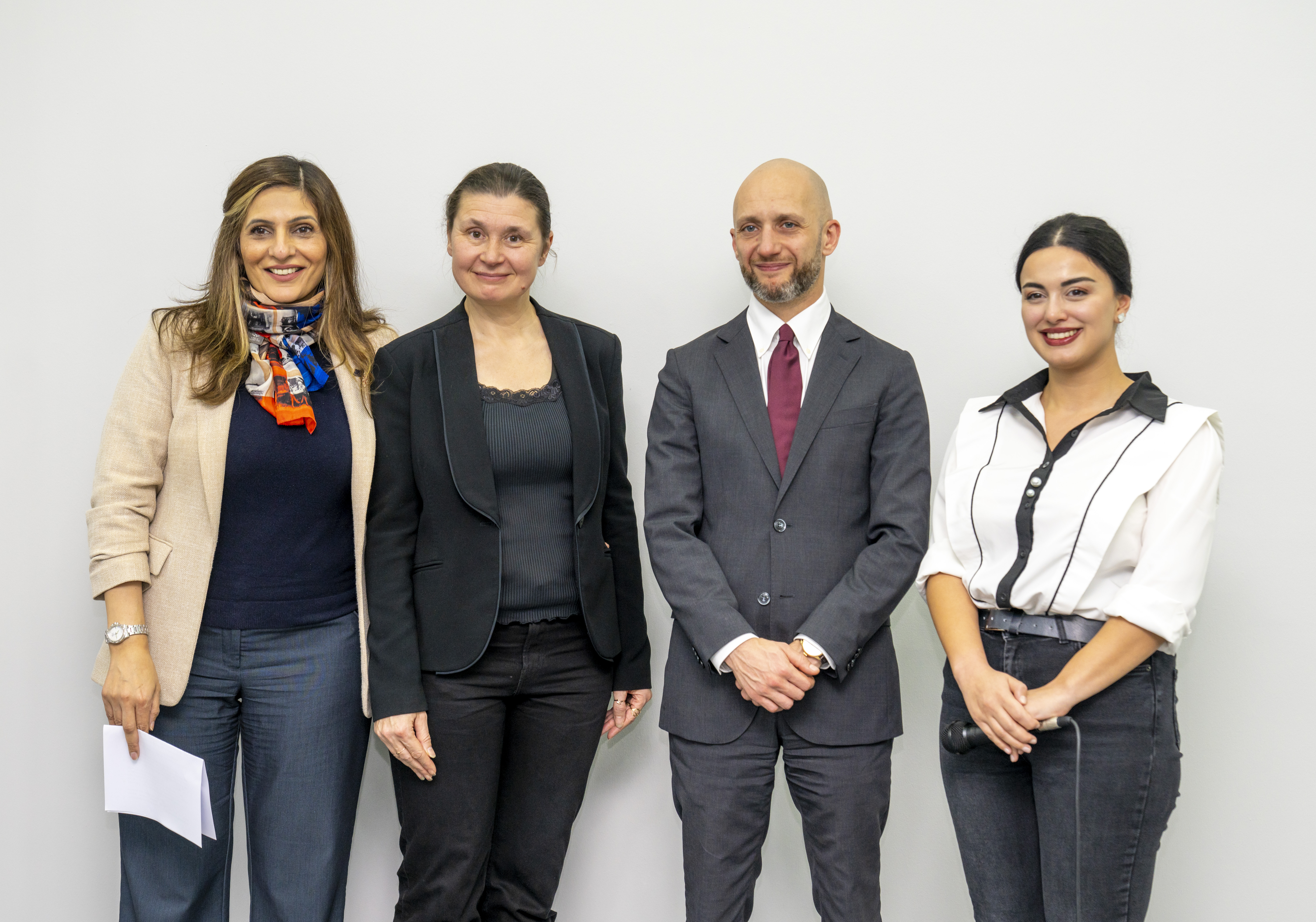
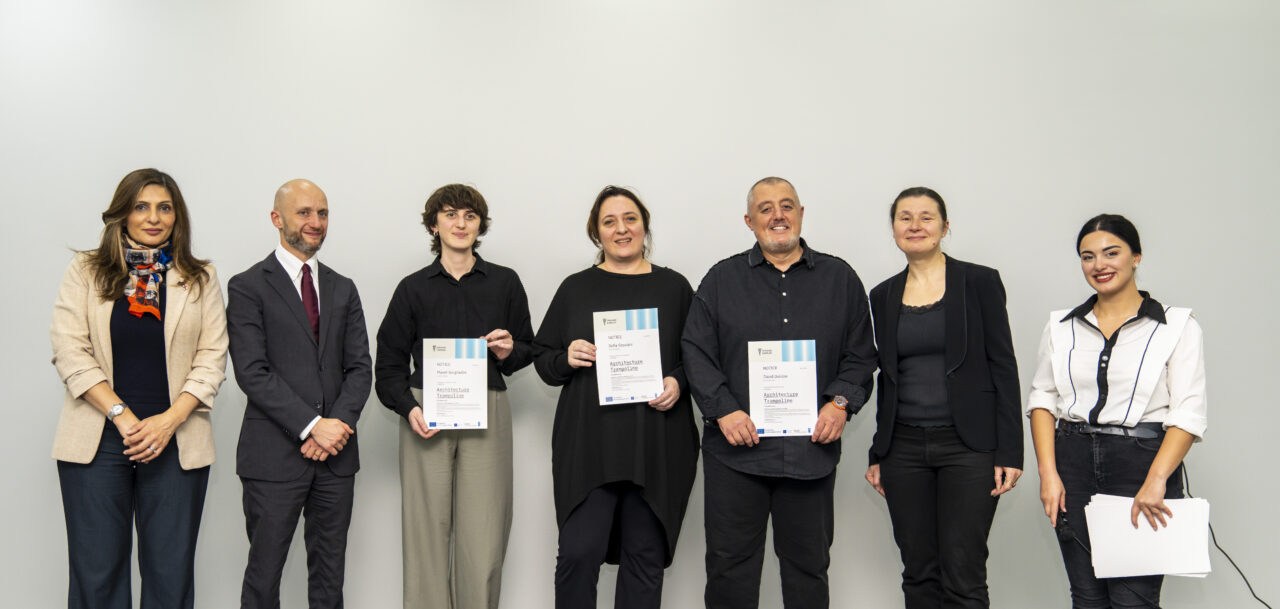
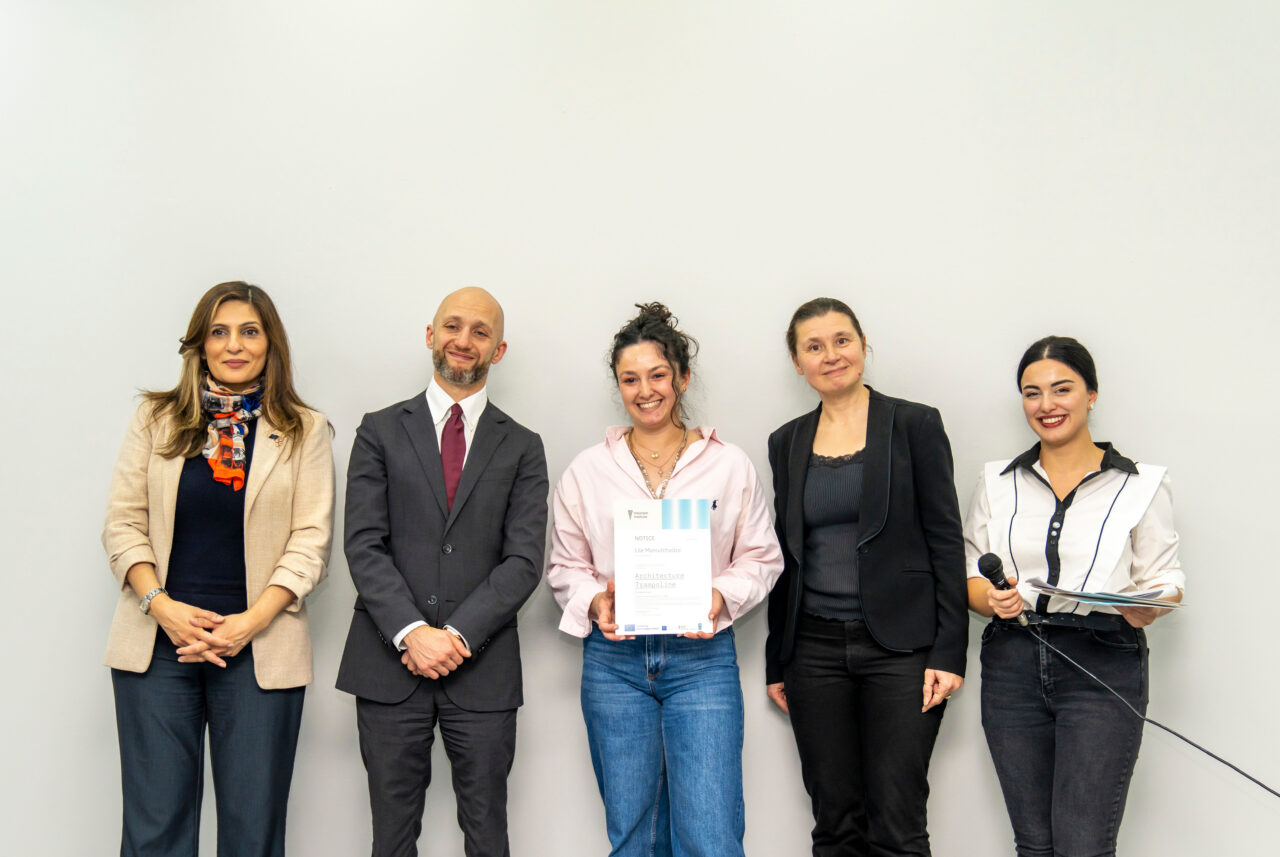
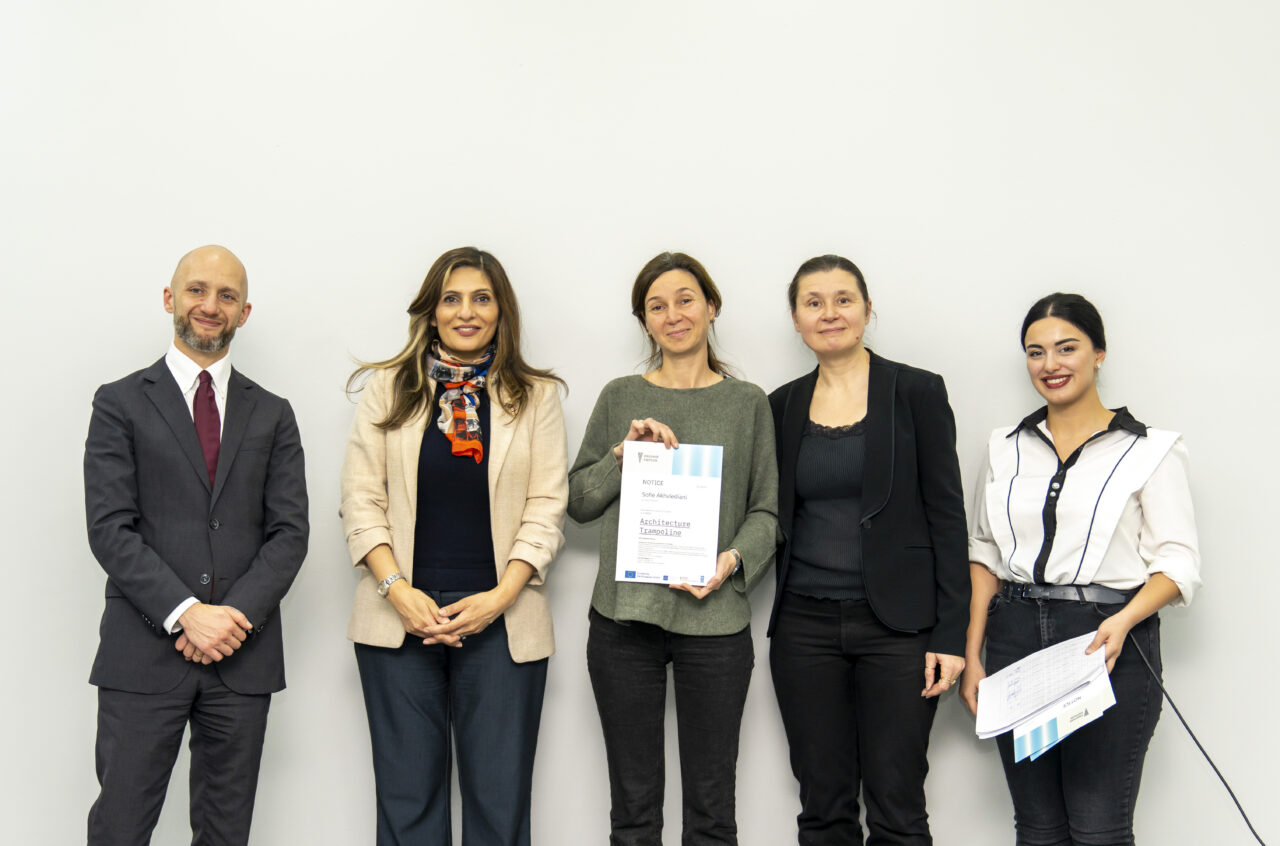
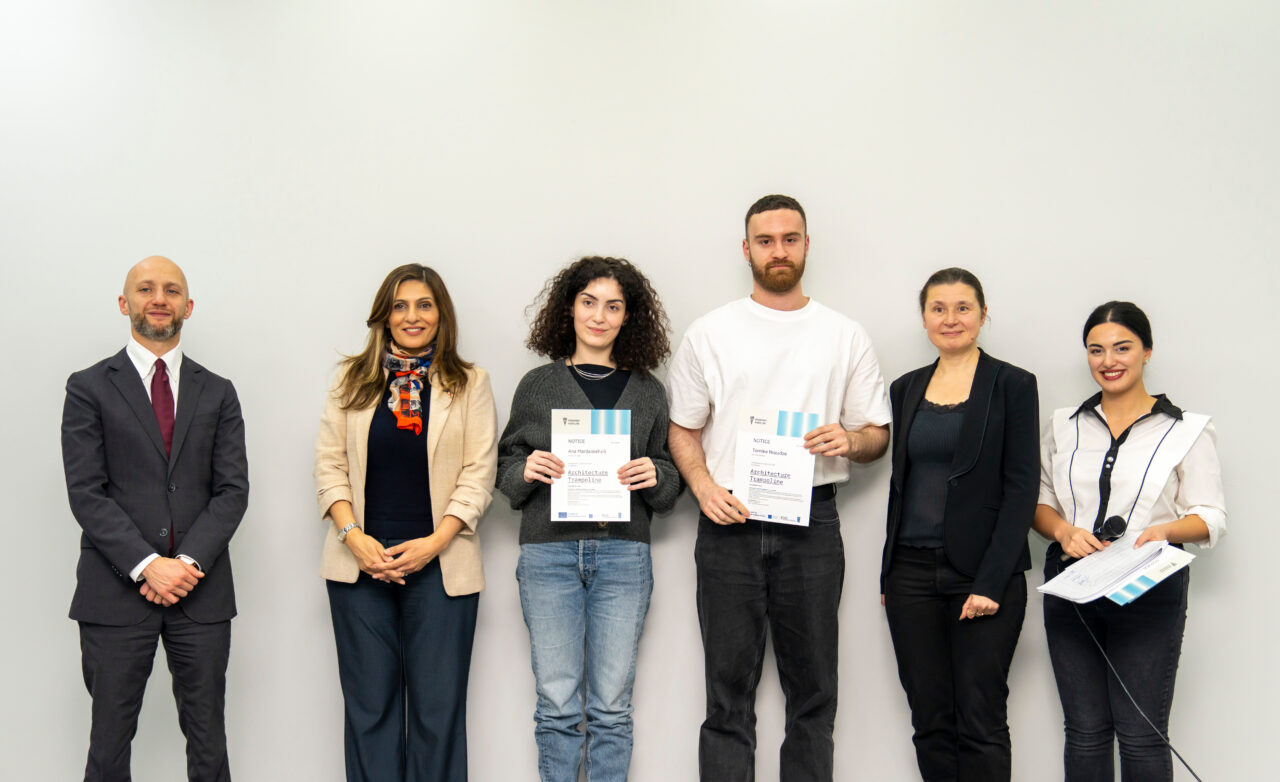
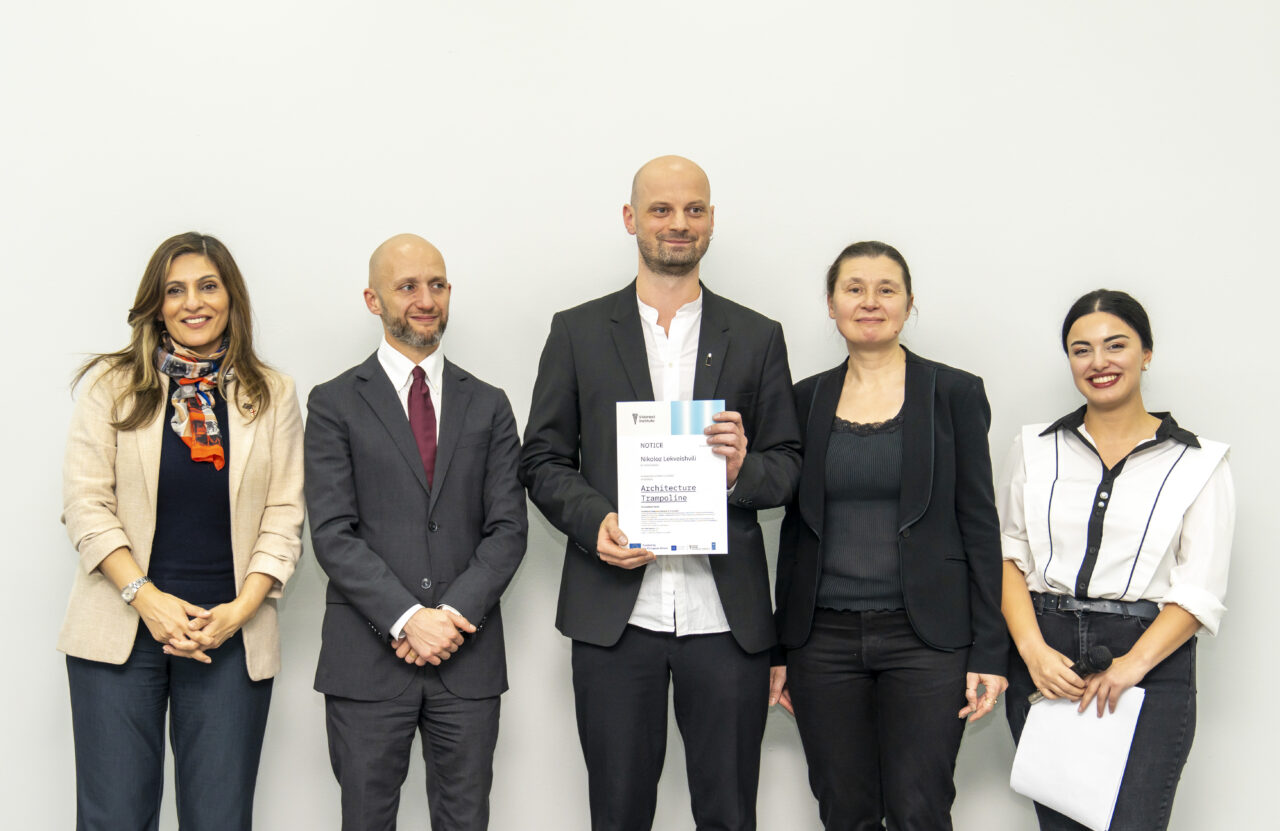
A key highlight was the official notice delivery, recognizing participants’ achievements from the first two days. The session was honored by partners from the European Union Delegation and UNDP Georgia. Giorgi Tsimintia, Project Manager of UNDP’s Inclusive Access to Markets initiative, and Mindy Bojkova, Attaché at the Delegation of the European Union to Georgia, emphasized the program’s importance and congratulated participants on their successful engagement. Their presence reinforced the program’s international significance and the sector’s readiness for broader markets.
Reflecting on the progress, Karin commented:
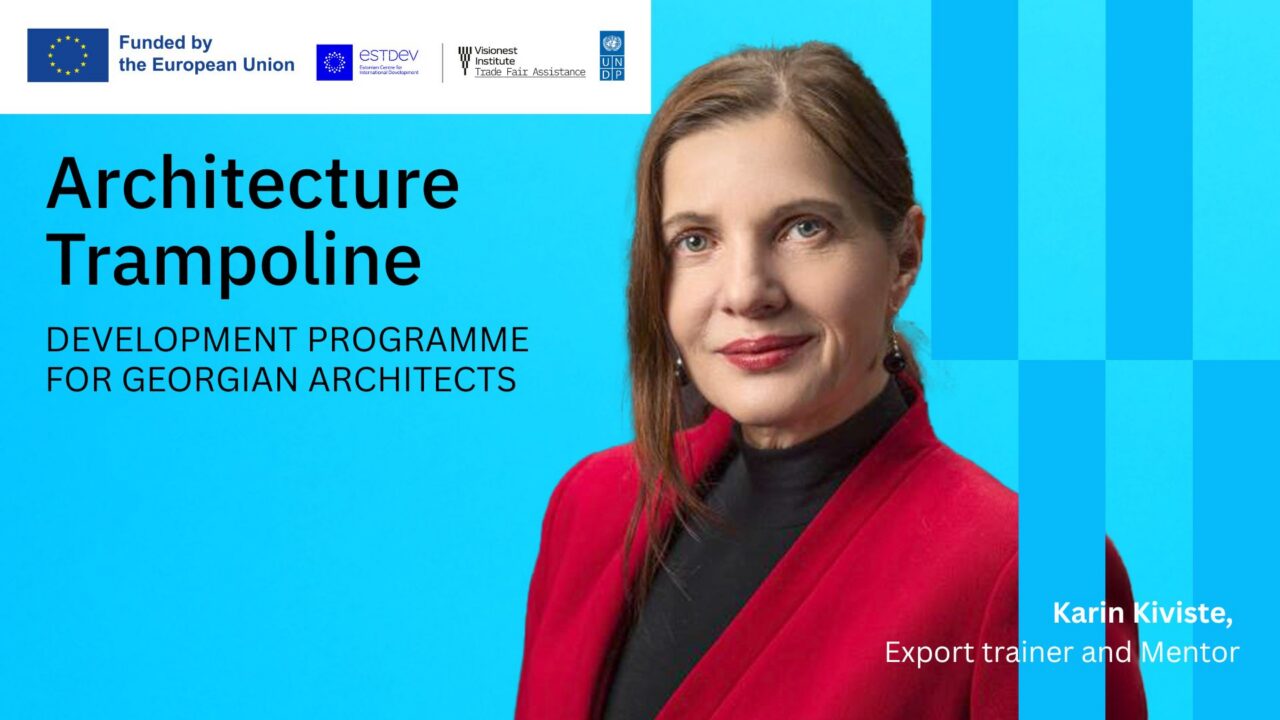
“Georgian architects are mentally ready to start collaborating with Europe. They clearly understand and align with the main European trends – industrialised construction, digitalisation, sustainability, renovation, and circularity. At the same time, they are deeply aware of their own unique value: a rich cultural and architectural heritage that can meaningfully enrich the global design landscape.”
Across both days, a clear message emerged: Georgian architectural firms possess creativity, resilience, and real strengths that, with the right strategy and guidance, can translate into successful international activity.
International Expertise Guiding the Process
The training was guided by two internationally experienced experts who brought both vision and practical know-how to the program.
Karin Kiviste, Export Trainer, joined the sessions online, bringing her global perspective directly to participants. She is a leader in architecture, digital construction, and sustainable building, with experience across Europe, Asia, and Australia. Karin focuses on combining technology with design, helping architects turn creative ideas into real-world, sustainable buildings. Her work emphasizes human-centered and circular design, ensuring projects are both innovative and environmentally conscious.
Karin’s projects, including the Manufaktuuri Kindergarten and Stroomi Beach House competition entries in Estonia, have been recognized for their design excellence and inventive use of materials. Beyond her own designs, she is known for helping architectural teams think strategically, adopt new technologies, and prepare for international markets. Even online, Karin provided participants with clear, practical insights into what it takes to compete and succeed globally.
Anu-Mall Naarits, Export and Marketing Strategist, brings over a decade of experience helping creative firms grow internationally. She has led architecture-focused export programs in Estonia and Ukraine, including the Virtual Product Development Incubator and Service Export initiatives. Anu-Mall’s expertise lies in helping companies find their unique strengths, understand international markets, and put clear strategies into action.
During the training, Anu-Mall guided participants on structuring their services, marketing effectively to foreign clients, and building sustainable paths toward international growth.
Together, Karin and Anu-Mall combined global experience with hands-on guidance, helping Georgian architects turn their creativity into tangible international opportunities. Their mentorship gave participants not just knowledge, but confidence, ambition, and a clear sense of direction toward European and international markets.
Completion of Stage I and Next Steps
The program continues with the third training day on 17 December 2025, held online. This session completes Stage I and focuses on preparing firms for implementation. Participants will develop a full export business plan while exploring critical topics such as pricing, communication, and risk management in international markets. Karin will also guide discussions on practical steps toward confident international growth.
Upon completion, all participants who attended all three days will be awarded official certificates, recognizing not just attendance, but commitment, progress, and the sector’s growing professional capacity.
Following Stage I, the program enters a selective mentorship phase, where seven companies will receive personalized guidance. These firms will refine export strategies, strengthen positioning, and move closer to becoming internationally active architectural practices.
The program will culminate with an international Study Visit in Autumn 2026, where selected participants will meet industry professionals abroad, explore architectural environments firsthand, and build connections that could shape their long-term success.
The early success of Architecture Trampoline demonstrates that Georgia’s architectural community is ready for growth, opportunity, and international collaboration. With engaged participation, international recognition, and guidance from expert trainers, the initiative is already shaping a story of achievement and promise for the sector.
This initiative, funded by the European Union and implemented by Visionest Institute, a contractor of the Estonian Centre for International Development, with support from UNDP Georgia, aims to boost SMEs’ exports to the EU and European markets through participation in international trade fairs and B2B events.


📸 Visionest Institute / Mariam Paradas Photography