Q. Could you introduce yourself and your company, and tell us a little about your role within it, as well as where your business stood in terms of export readiness and international presence before joining the Trade Fair Assistance for Georgian SMEs program?
Tamta Mosiashvili:
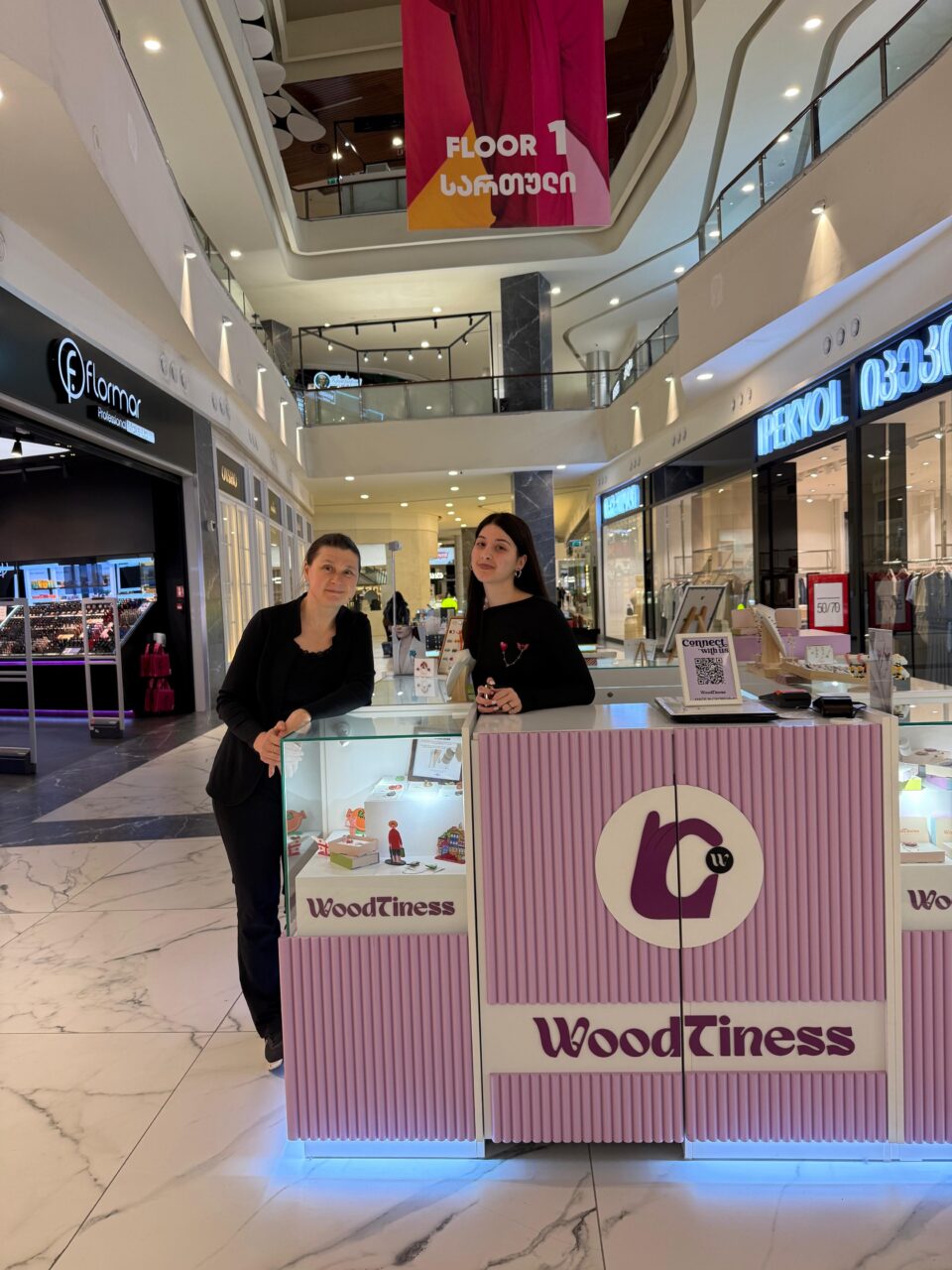
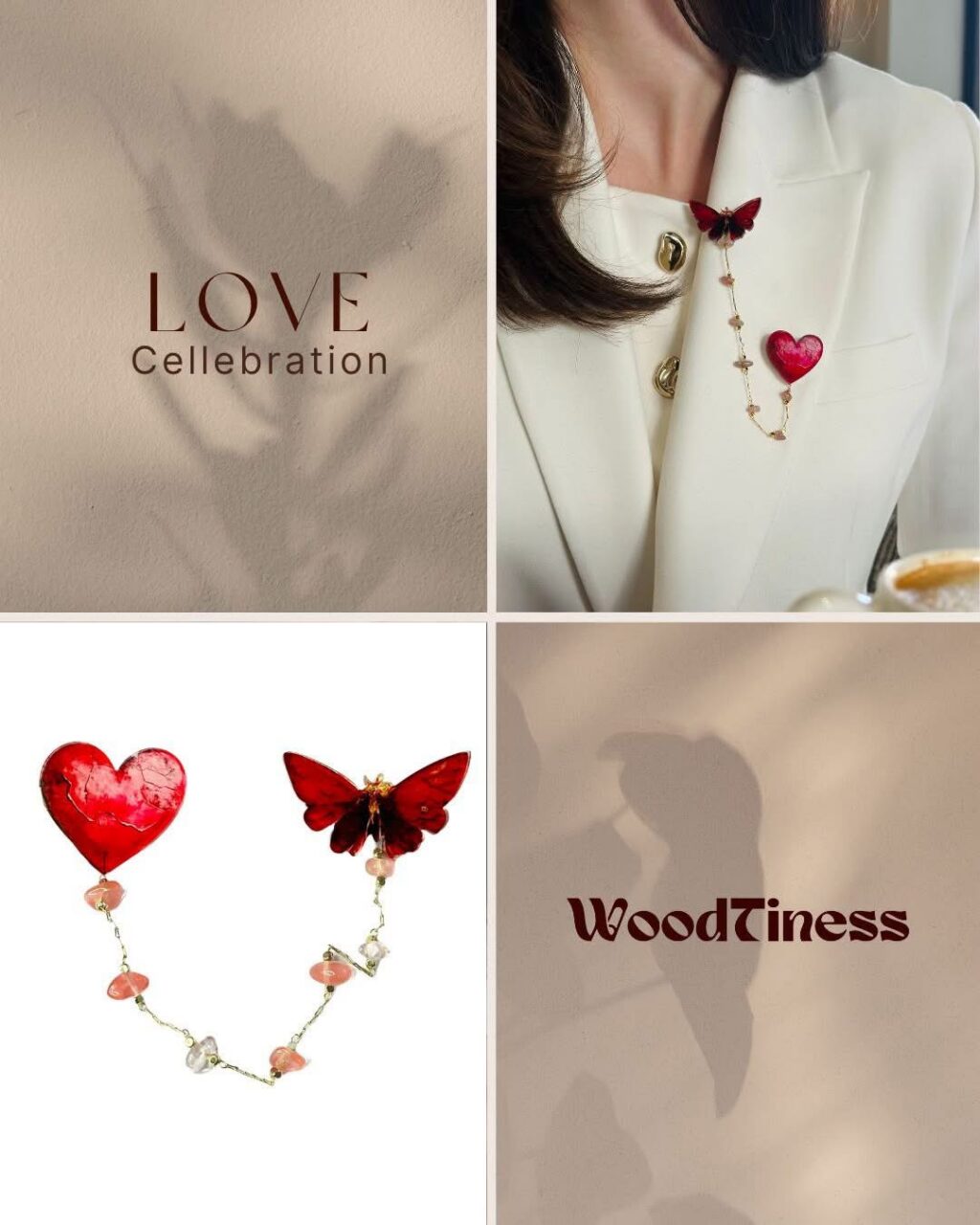
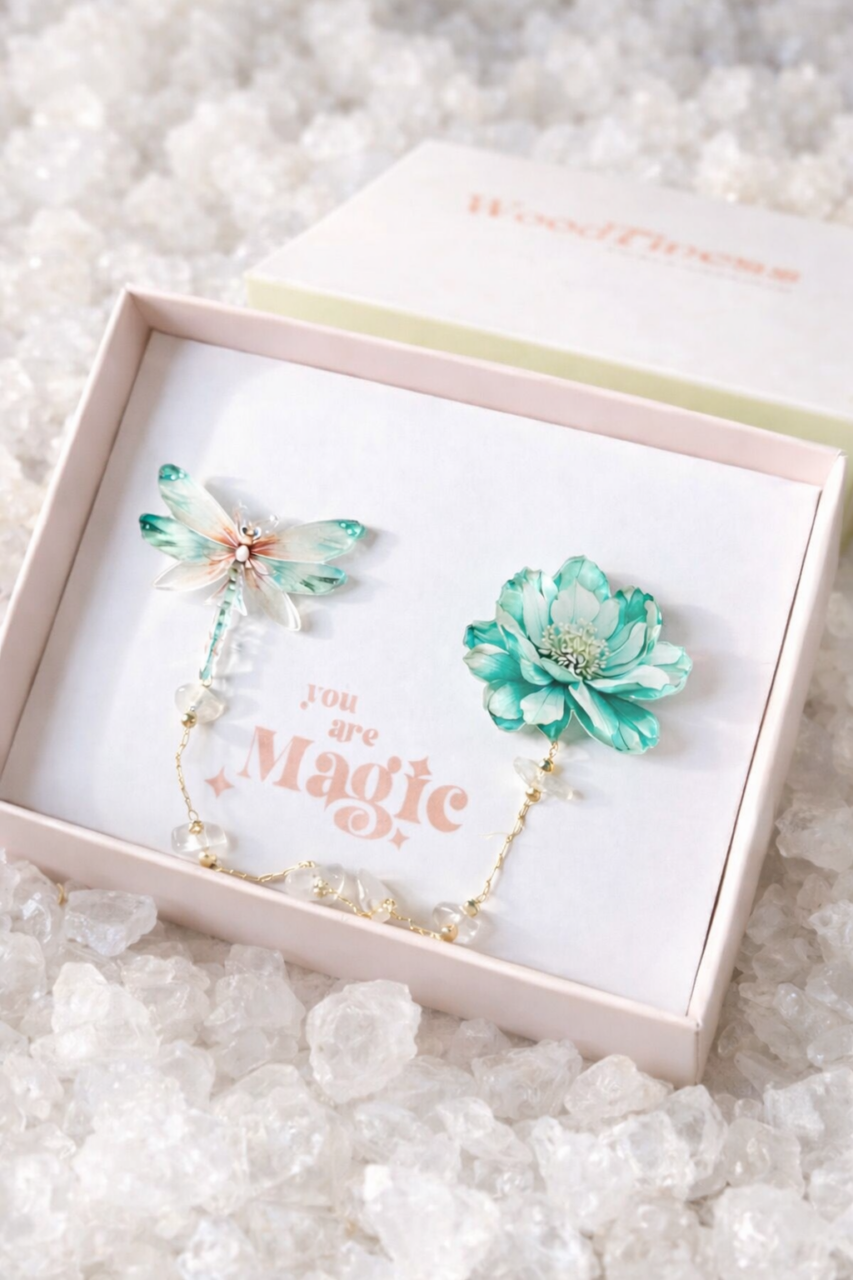
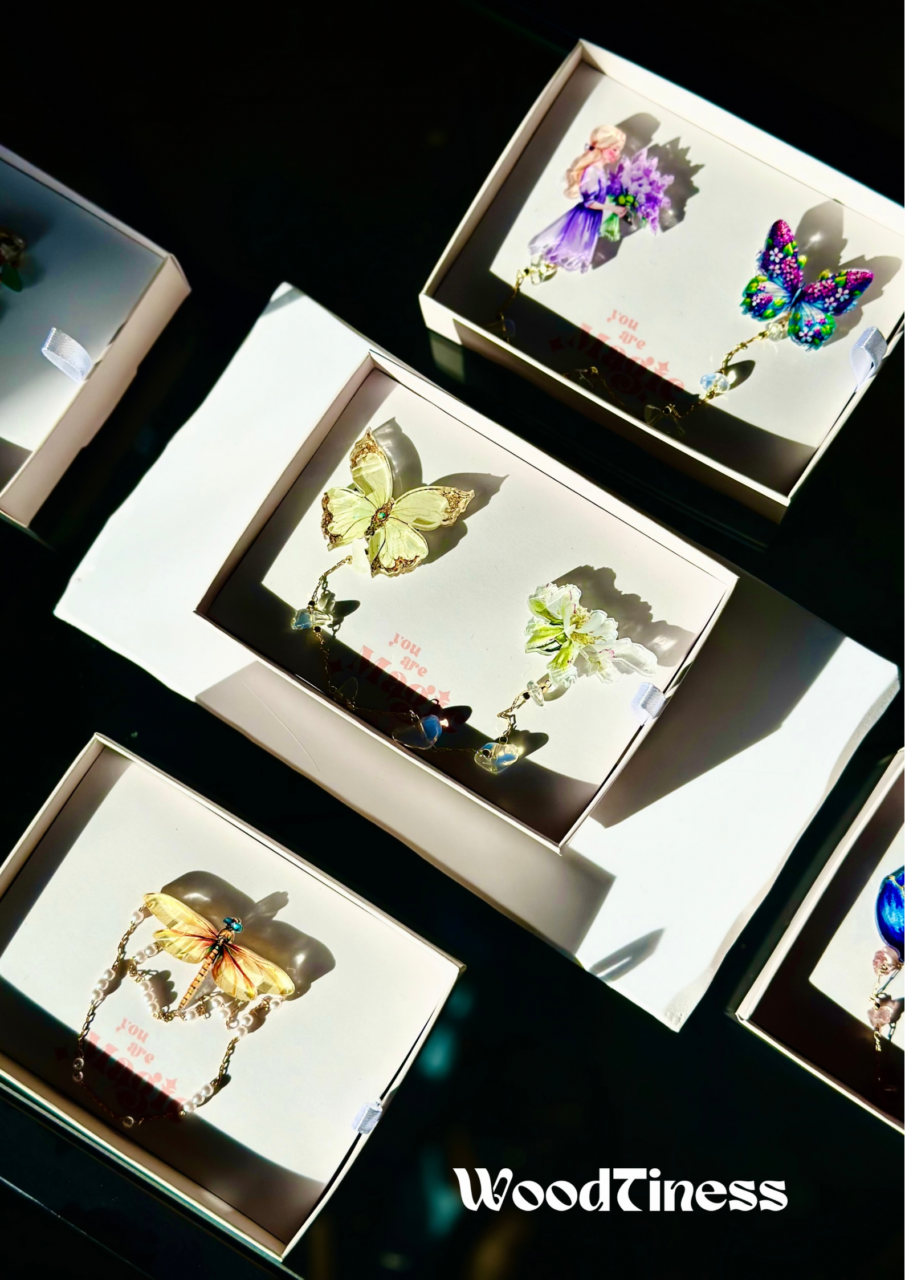
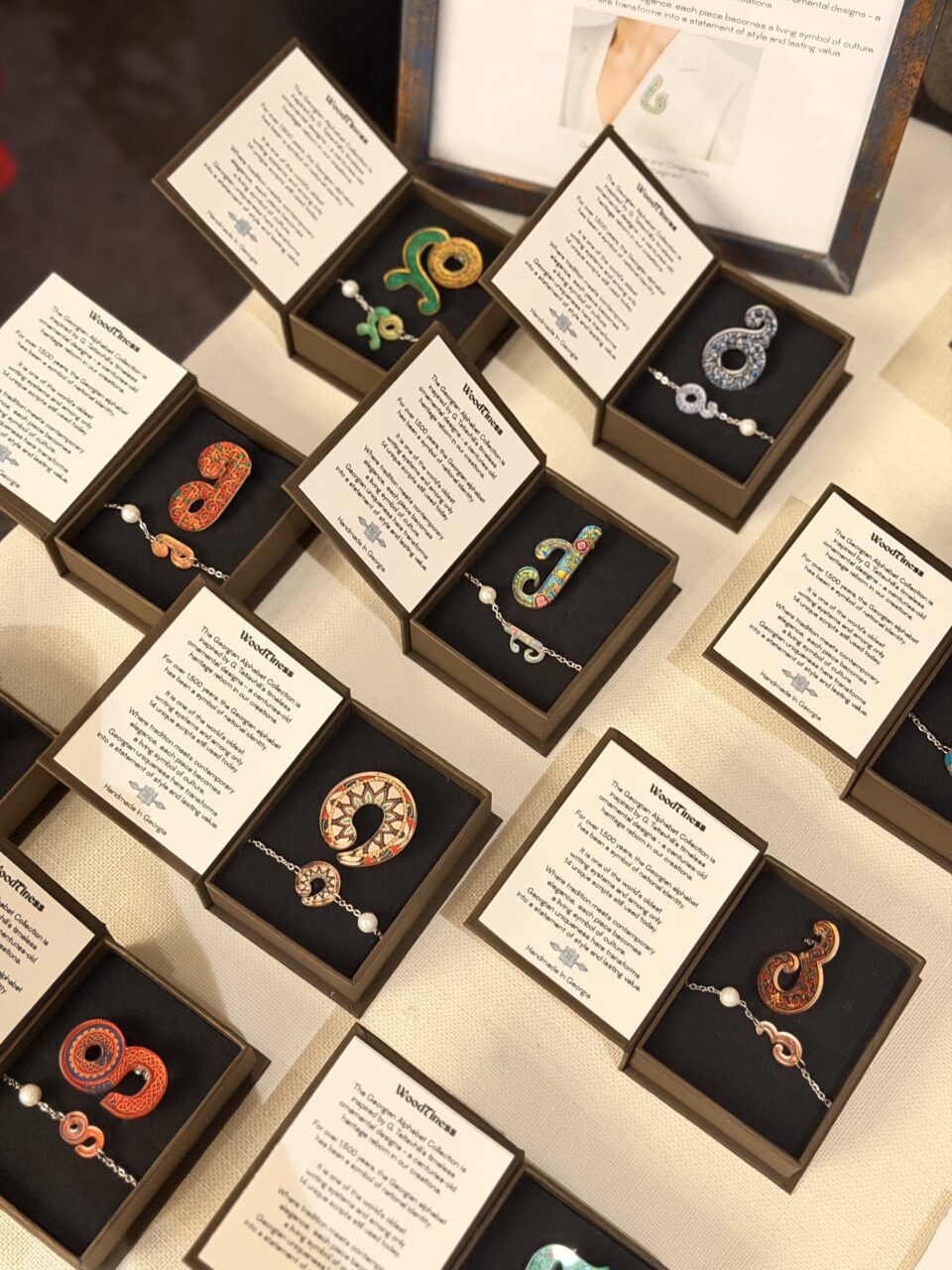
“Hi, my name is Tamta Mosiashvili, and I am the founder of Woodtiness, a handmade accessories brand created for bold individuals who are not afraid to express who they truly are.
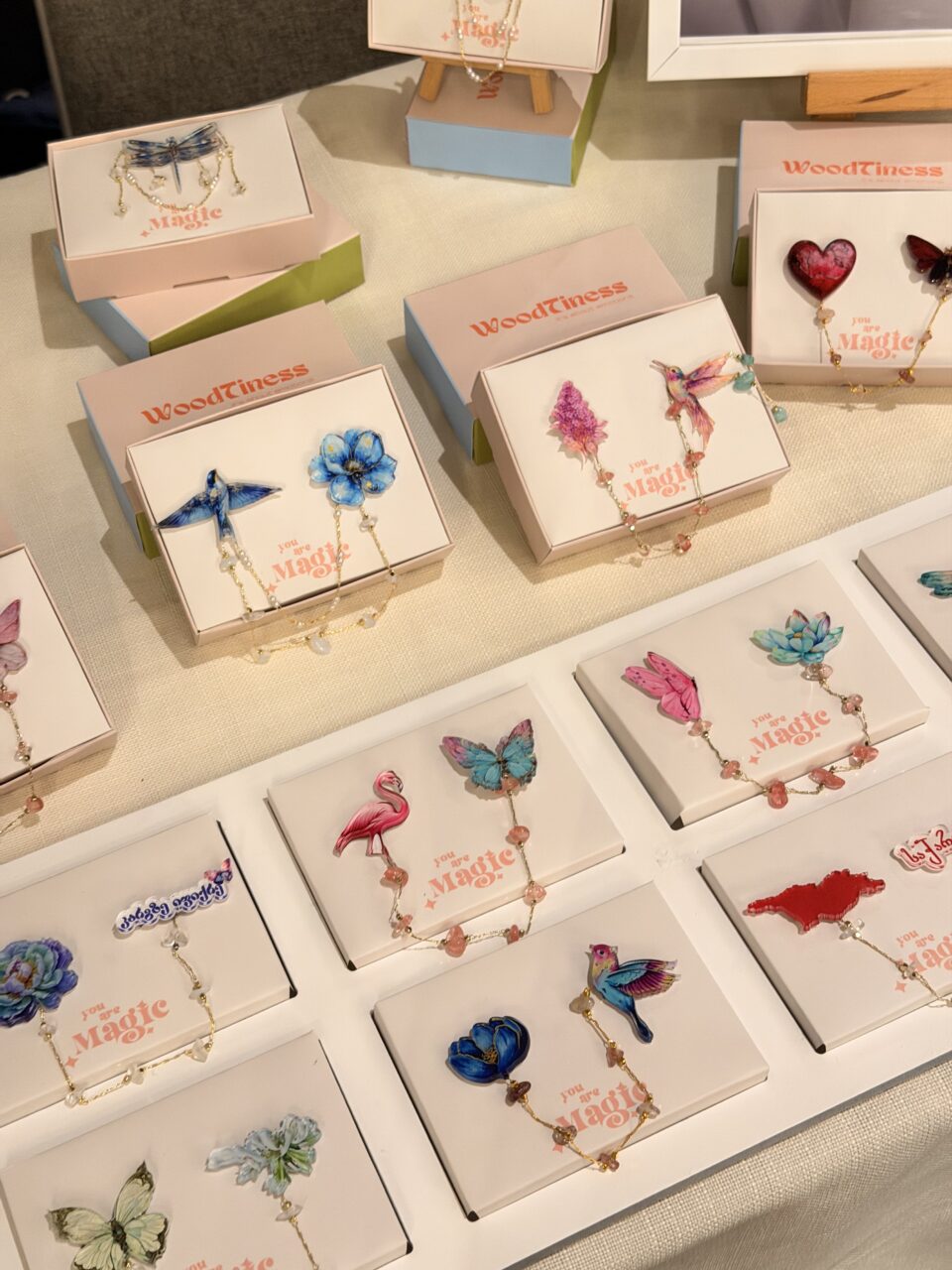
At Woodtiness, we believe that in today’s fast-paced and routine world, it is easy to lose touch with our emotions, individuality, and personal values. Through thoughtfully designed accessories, we encourage people to celebrate their uniqueness, express themselves with confidence, and carry a small reminder of what truly matters to them. Every piece is designed not only as an accessory, but as a meaningful expression of personality and emotion.
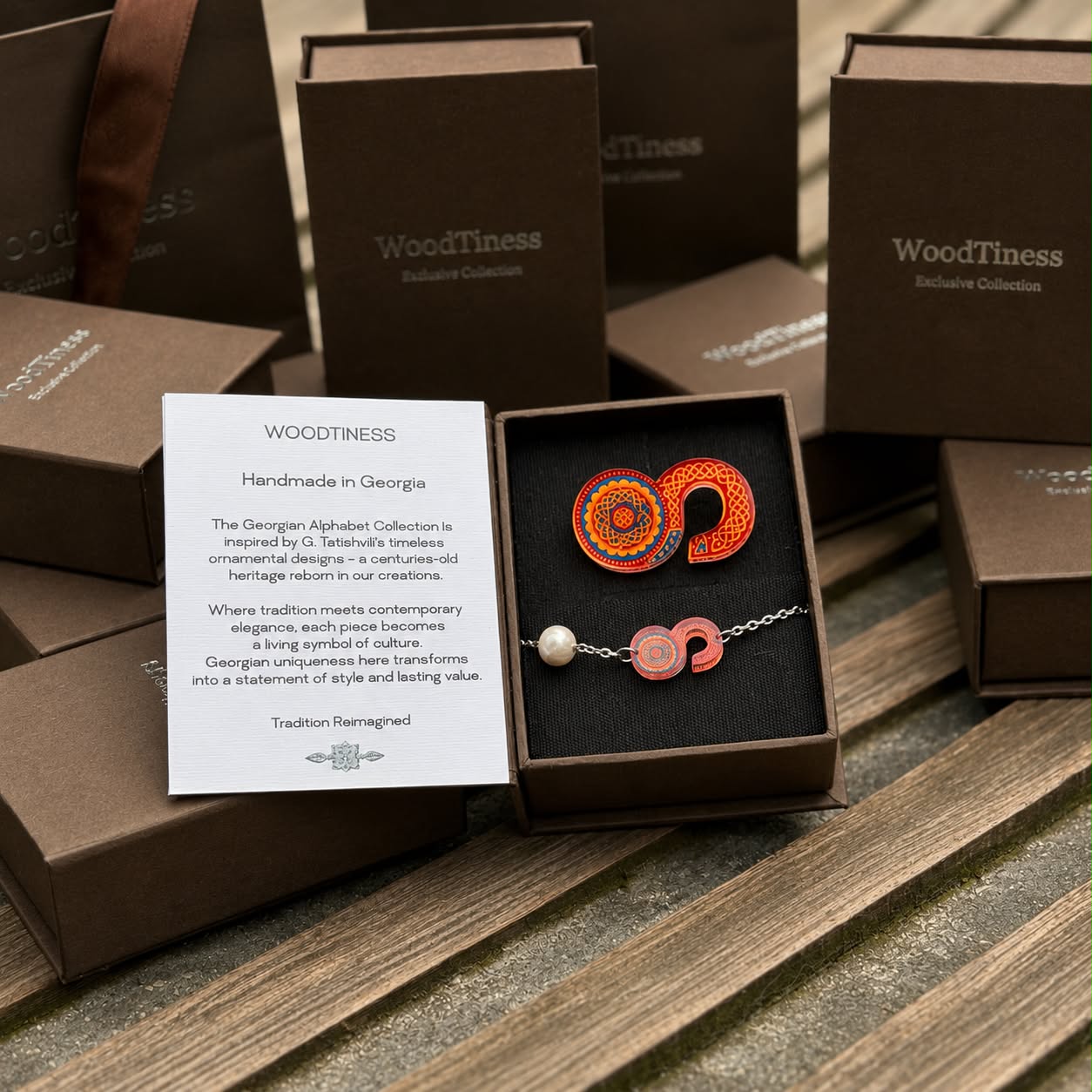
Many of our collections are inspired by Georgian culture, traditions, and values, reimagined through a contemporary design language. We create products that feel personal and timeless while sharing a unique part of our heritage with the world.
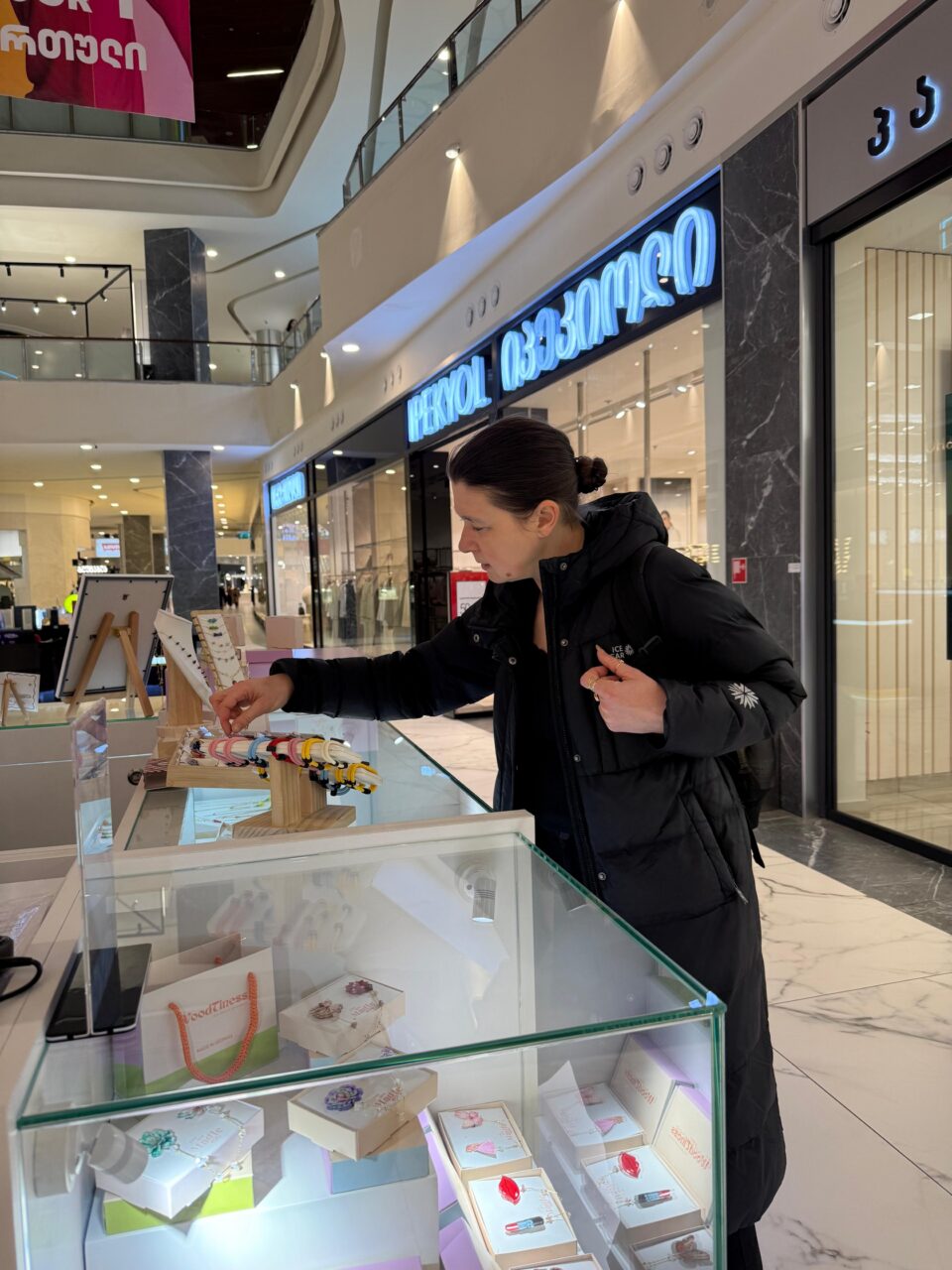
As the founder, I am involved in every part of the business, from product design and branding to production, marketing, and business development. Before joining the Trade Fair Assistance for SMEs in Georgia program, Woodtiness had already built a strong presence in the local market and was attracting growing interest from international customers. Although we believed our products had export potential, we wanted to better understand how to prepare our brand for international markets and build a sustainable export strategy.”
Q. What drew you to this program at Visionest Institute, and what were you hoping it would change or help you achieve when you first decided to take part?
Tamta Mosiashvili:
“What attracted me most was the opportunity to learn directly from experienced mentors and international fashion experts. As a creative entrepreneur, I wanted to complement my practical business experience with a deeper understanding of export and international market development.
I joined the program because I wanted to see Woodtiness from a global perspective. I hoped to better understand how to position our brand internationally, improve our export readiness, and learn what international buyers are looking for. I also saw it as a valuable opportunity to connect with professionals who share similar ambitions and challenges.”
Q. Looking back at the program itself, how would you describe the experience, from the intensity of the training to working with mentors and international fashion experts, and what stood out most to you during that journey?
Tamta Mosiashvili:
“The program was intensive, practical, and very inspiring. Every session gave us something we could immediately apply to our business.
The mentorship was probably the most valuable part of the experience. It encouraged us to look at our brand from a completely different perspective and think beyond the local market. We discussed branding, product presentation, pricing, communication, and many other aspects that are essential for building an internationally competitive brand.
What I appreciated most was that the program was not only about exporting products. It was about understanding how to build a business that is ready to grow internationally in a sustainable way.”
Q. What would you say were the most meaningful shifts for you or your team during the program, whether in terms of mindset, practical skills, or the way you now approach export and international markets?
Tamta Mosiashvili:
“The biggest change was definitely our mindset.
Before the program, we mainly focused on developing beautiful products. Now we also think about how every product, every collection, and every customer interaction represents our brand internationally.
The program helped us better understand branding, storytelling, export preparation, and long-term planning. It also showed us that entering international markets is a gradual process that requires consistency, preparation, and continuous improvement.”
Q. Since completing the program, what tangible changes have you seen in your business? Have there been new markets, buyers, partnerships, or shifts in how you position and develop your brand internationally?
Tamta Mosiashvili:
“Although we have not yet established international partnerships directly through the program, it has had a significant impact on the way we develop our business.
Today we approach international opportunities with much more confidence and clarity. We have improved the way we present our brand, refined our communication with international customers, and continue developing collections with global audiences in mind.
The program gave us practical tools, valuable feedback, and a clearer roadmap for the next stage of our international journey.”
Q. And finally, when you reflect on the whole experience, how has it changed you personally or professionally?
Tamta Mosiashvili:
“Professionally, the program helped me think more strategically about the future of Woodtiness and what it takes to build a brand that can compete internationally.
Personally, it reminded me that there is always room to grow. Every conversation, every mentor, and every new perspective encouraged me to keep learning, improving, and believing that a small Georgian brand can successfully find its place in international markets.”
Q. If you had to capture your journey with Visionest Institute in one word or one sentence, what would it be?
Tamta Mosiashvili:
“A strong foundation for international growth.”
“The program gave us not only practical knowledge but also the confidence to take the next steps toward international markets with a clearer vision and stronger direction.”
Woodtiness’ journey adds a distinctive voice to our growing alumni series – one shaped by creativity, cultural storytelling, and a clear ambition to grow beyond local boundaries.
We are proud to celebrate Woodtiness as part of the alumni community of the “Trade Fair Assistance for SMEs in Georgia” program, and to highlight how Georgian SMEs continue to transform knowledge into action and ideas into international opportunity.
This interview is part of our ongoing alumni spotlight series, where we continue to share the stories of Georgian SMEs shaping their next chapter of growth.
Stay tuned as we continue introducing more inspiring alumni journeys – each reflecting a unique step forward in building stronger, more globally connected Georgian brands.