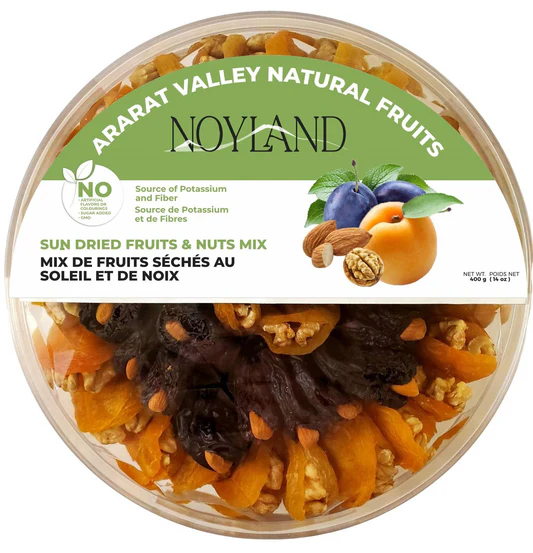
Noyland has been in the market for 8 years, being established in 2017. The company is based in Armavir province located in the Ararat valley, which is famous in Armenia for its rich variety of delicious sun-kissed fruits.
“Our average capacity is the processing of 30-35 tons of fresh fruit per month. The production territory is 900 sq. m., but we have the possibility to expand the production capacity,” says Sirush.
At the time of joining the Export training program by Visionest institute, the company was already present abroad, with exports to Canada and Russia, as well as active sales on Amazon and Ozon marketplaces.
However, the export model in use presented serious challenges.
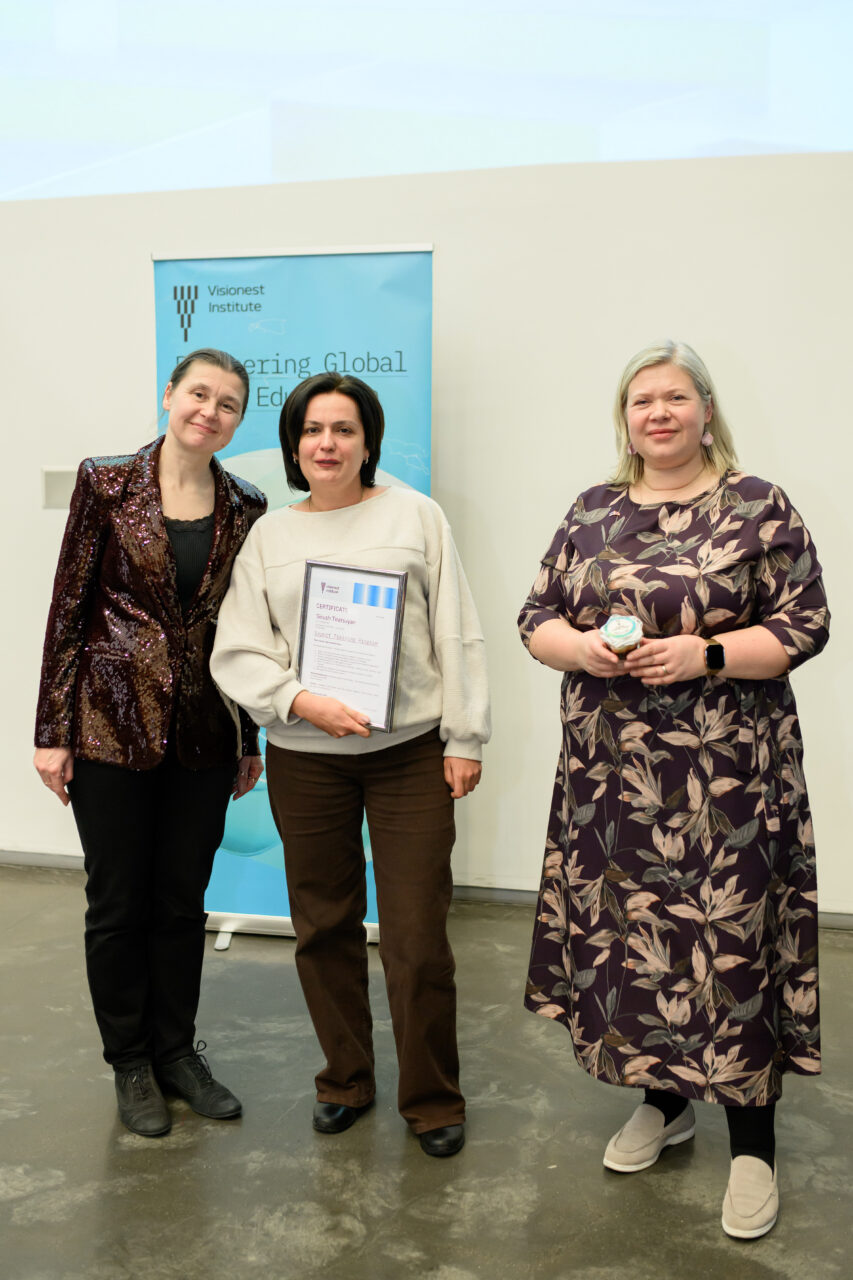
“Before joining the program, we mainly considered entering new markets through distributors. This created many difficulties — from correct pricing and logistics to certification issues and how the brand was presented and promoted by distributors,” says Sirush Tiratsvyan, a representative of Noyland company.
One of the key obstacles was not only market selection but building a clear and realistic export roadmap.
“Our main difficulty was developing the right export strategy and choosing the correct sequence of actions,” she notes.
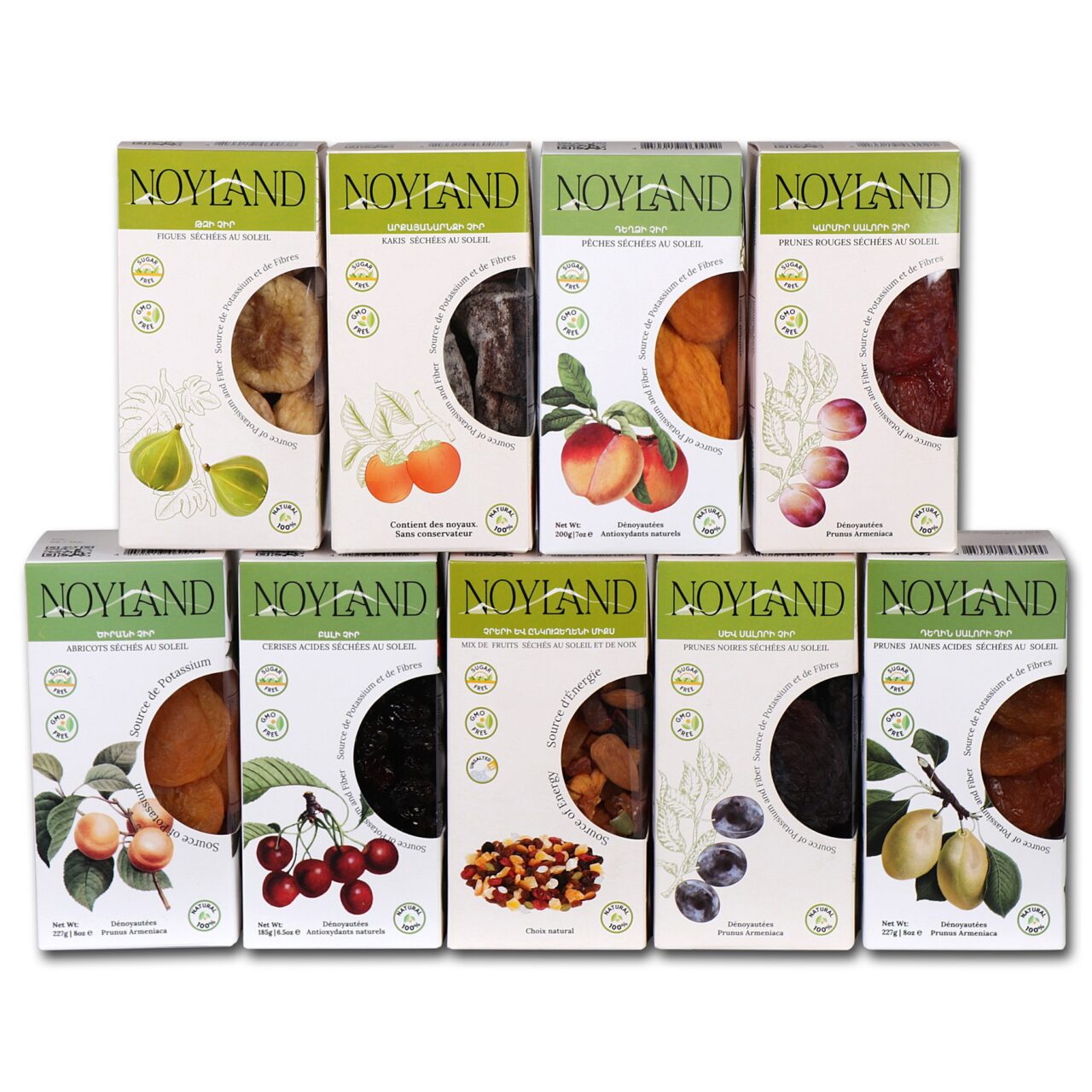
The approach changed during the program. Instead of relying solely on distributors and offline retail, the company decided to test new markets through online marketplaces and small-volume sales.
“This allows us to assess the chosen market, implement the right pricing policy, work on brand promotion, and, if necessary, adapt products to market requirements,” Sirush says.
As a result, the export strategy for target markets has been revised.
“Rather than entering the market through distributors and offline stores, we chose to start with online marketplaces and then move to a B2B model if the results are successful.”
Although a detailed export business plan has already been developed, its full implementation is planned for the upcoming years. The company decided to focus on entering the Scandinavian market.

“Scandinavian market presents a well-defined and promising opportunity for Armenian dried fruit producers. We see growing consumer demand for healthy, natural snacks. This strengthens the further potential, particularly for key Armenian products such as dried apricots, prunes, and peaches,” says she.
The Visionest’s export training program also influenced product development. Market research revealed the need for adaptation and innovation. By studying the selected market, they recognized the need to adapt their current product range to meet market demands.
The program was implemented by the Visionest Institute with funding from the Estonian Centre for International Development (ESTDEV).