Tallinn, Estonia – 24 April 2026
The delegation was guided throughout the Estonia programme by Visionest Institute CEO Anu-Mall Naarits, Project Manager Krista Kulderknup, and Trainings and Communications Coordinator Tatia Paradashvili, ensuring structured continuity between training, mentorship, and international exposure. The programme is supported by the European Union and implemented in partnership with UNDP Georgia and the Estonian Centre for International Development (ESTDEV), with a strategic focus on strengthening the capacity of Georgian creative service providers to operate in international markets and develop export-oriented business models.
Transformative Experience
The Estonia study visit represented a continuation and expansion of the immersive learning trajectory initiated in Finland, shifting the focus from creative industry operations to systemic digital governance and strategic design ecosystems. The programme provided participants with a structured environment to observe how Estonia’s digital-first state model directly influences business efficiency, service development, and international competitiveness.
Rather than focusing on isolated sectoral practices, the visit enabled participants to understand how interconnected institutional systems-digital infrastructure, professional networks, and design-driven methodologies – collectively shape a highly coordinated and scalable business environment.
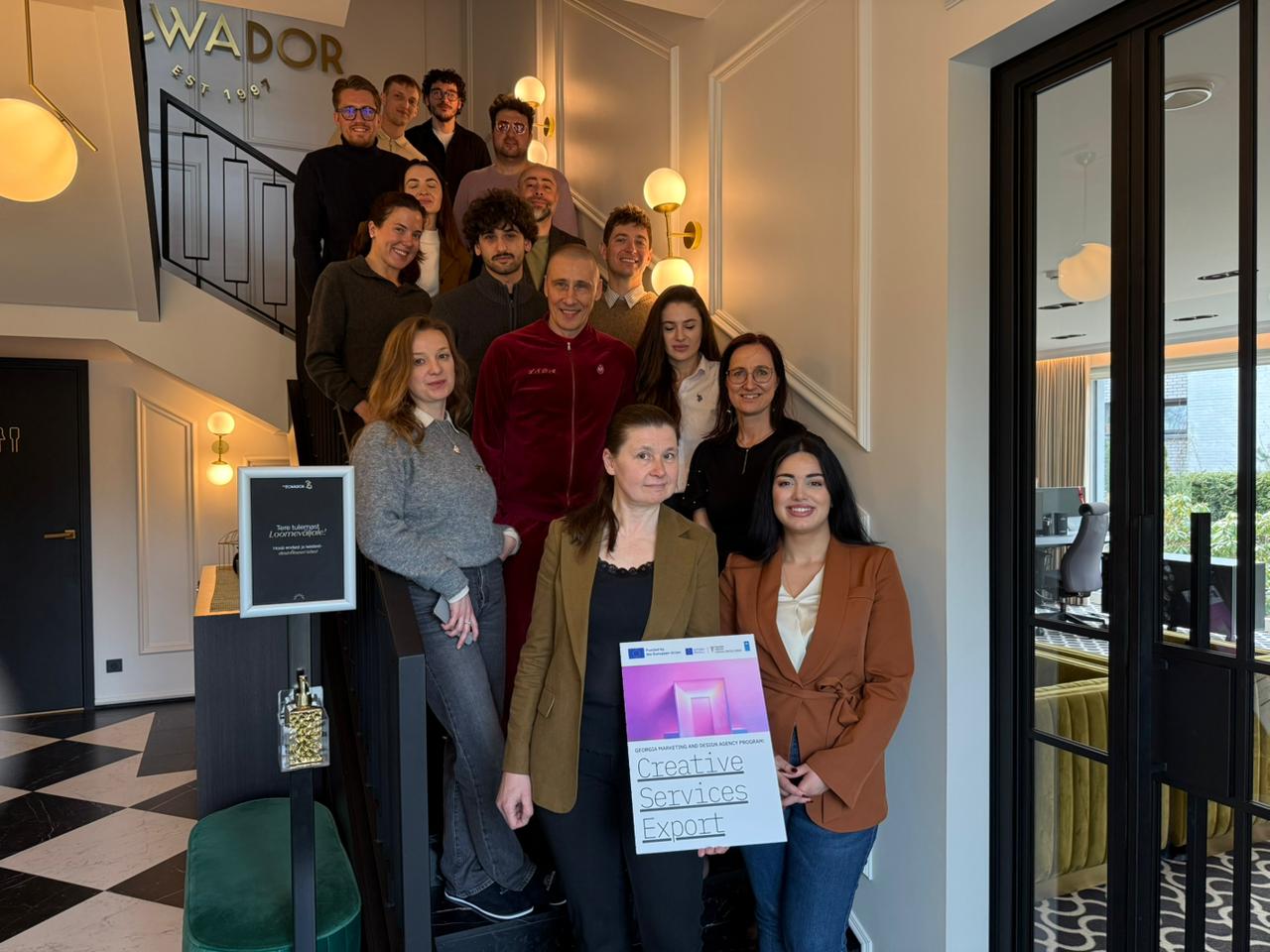
In Estonia, participants also engaged with institutional representatives and industry experts from leading organisations, including Enterprise Estonia, La Ecwador Agency, the Estonian Marketing Association, and Velvet, each contributing specialised expertise across digital governance, marketing strategy, and service design.
Practical Learning and Real-World Exposure
The Estonia study visit began at the e-Estonia Briefing Centre, operated by Enterprise Estonia, where participants were introduced to the architecture of Estonia’s digital governance system. The session provided strategic insight into secure digital identity infrastructure, interoperable data exchange systems, and fully integrated e-service platforms that underpin both public administration and private sector operations.
This foundational session demonstrated how digital governance functions as an enabling infrastructure for business development, reducing operational complexity while increasing transparency, scalability, and cross-border accessibility for service providers.
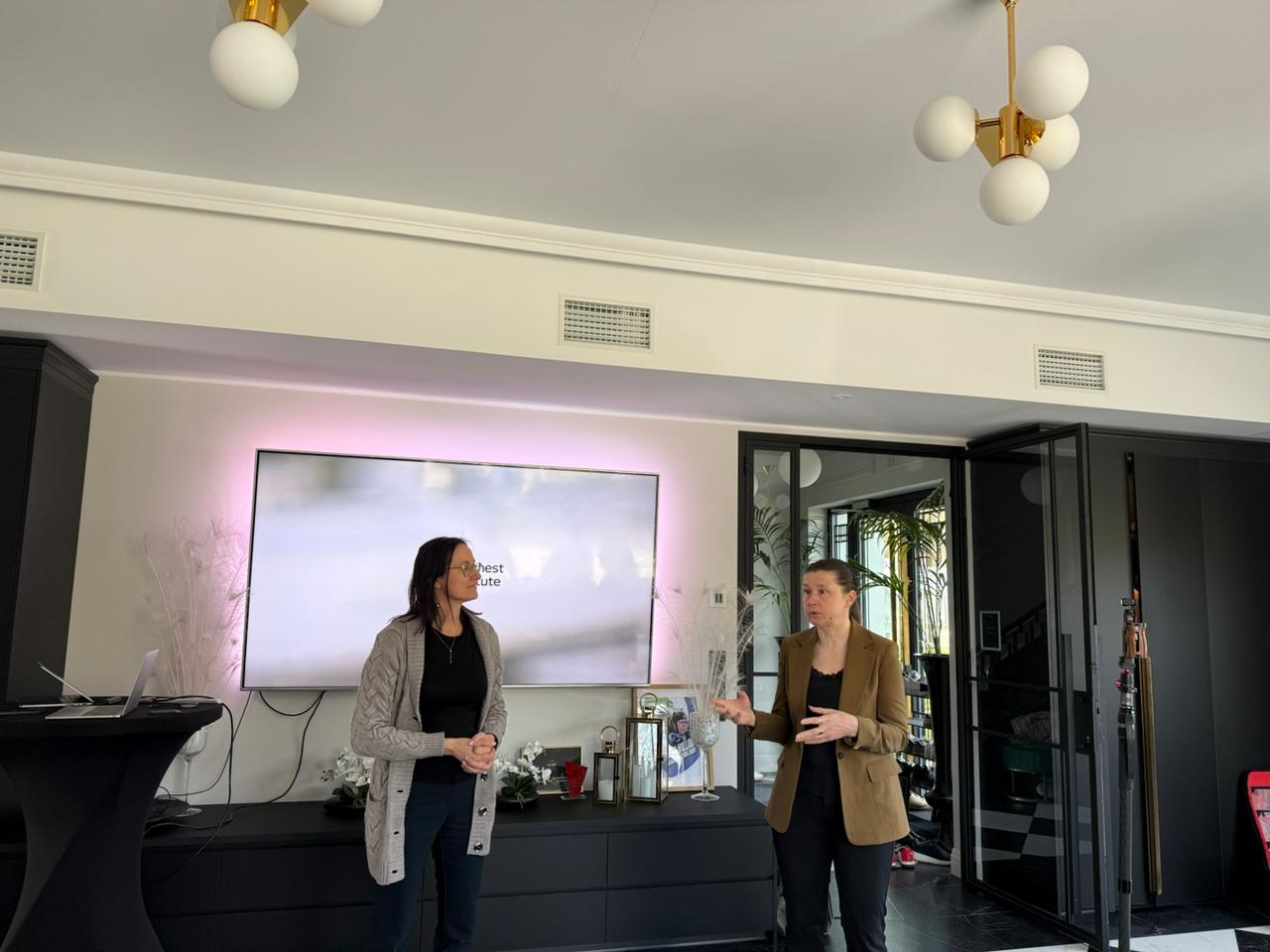
The programme continued with targeted institutional and industry visits in Tallinn. At La Ecwador Agency, participants explored practical approaches to service positioning, portfolio structuring, and client acquisition strategies within European markets. The session highlighted how agencies define competitive value propositions and adapt service offerings to diverse market contexts while maintaining clarity and consistency in positioning.
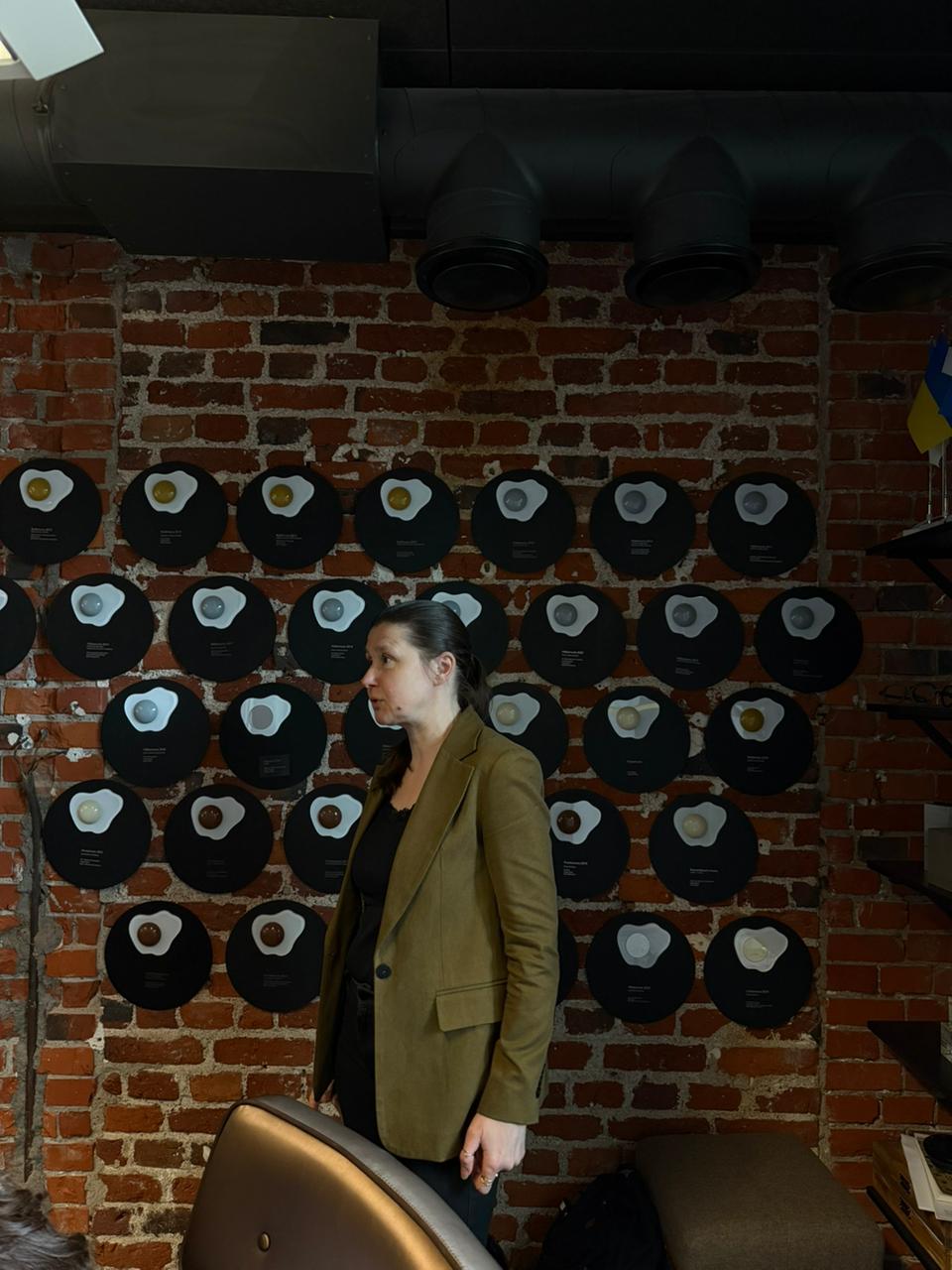
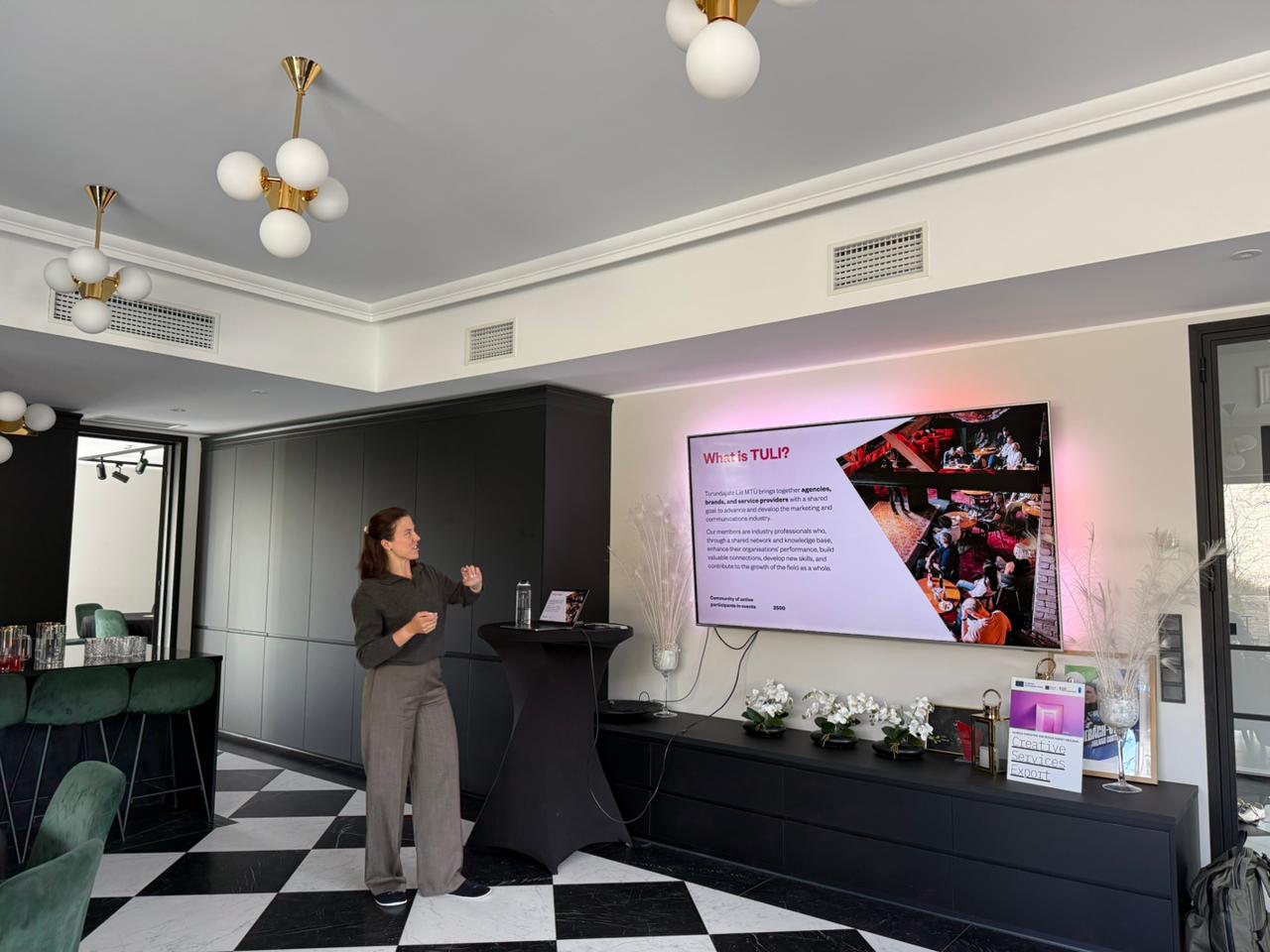
At the Estonian Marketing Association, participants were introduced to the role of professional industry organisations in shaping sector development, supporting knowledge exchange, and establishing professional standards. The discussion also included insights into national initiatives such as the “Golden Egg” (Kuldmuna) awards, which contribute to the recognition and advancement of marketing excellence in Estonia.
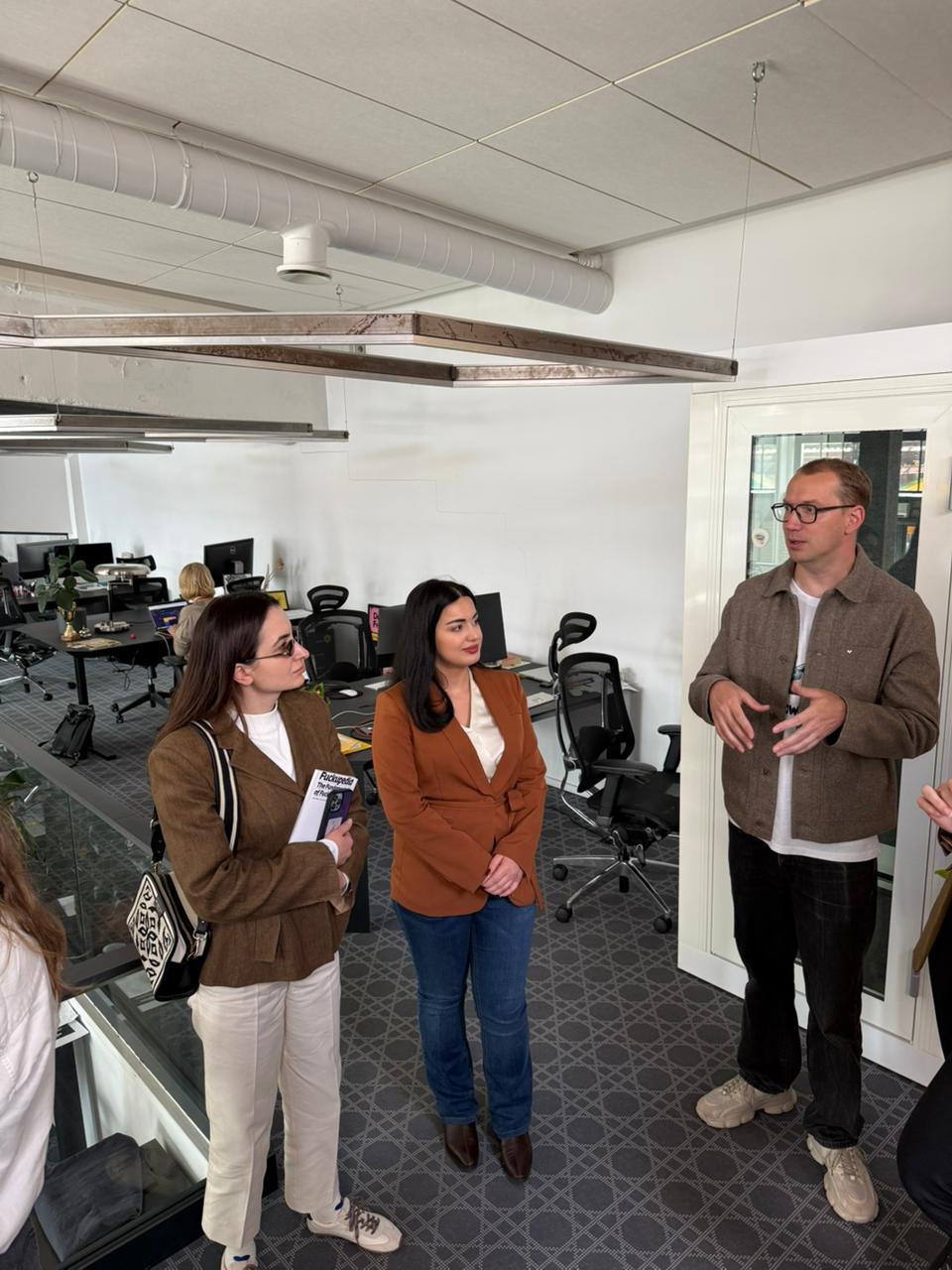
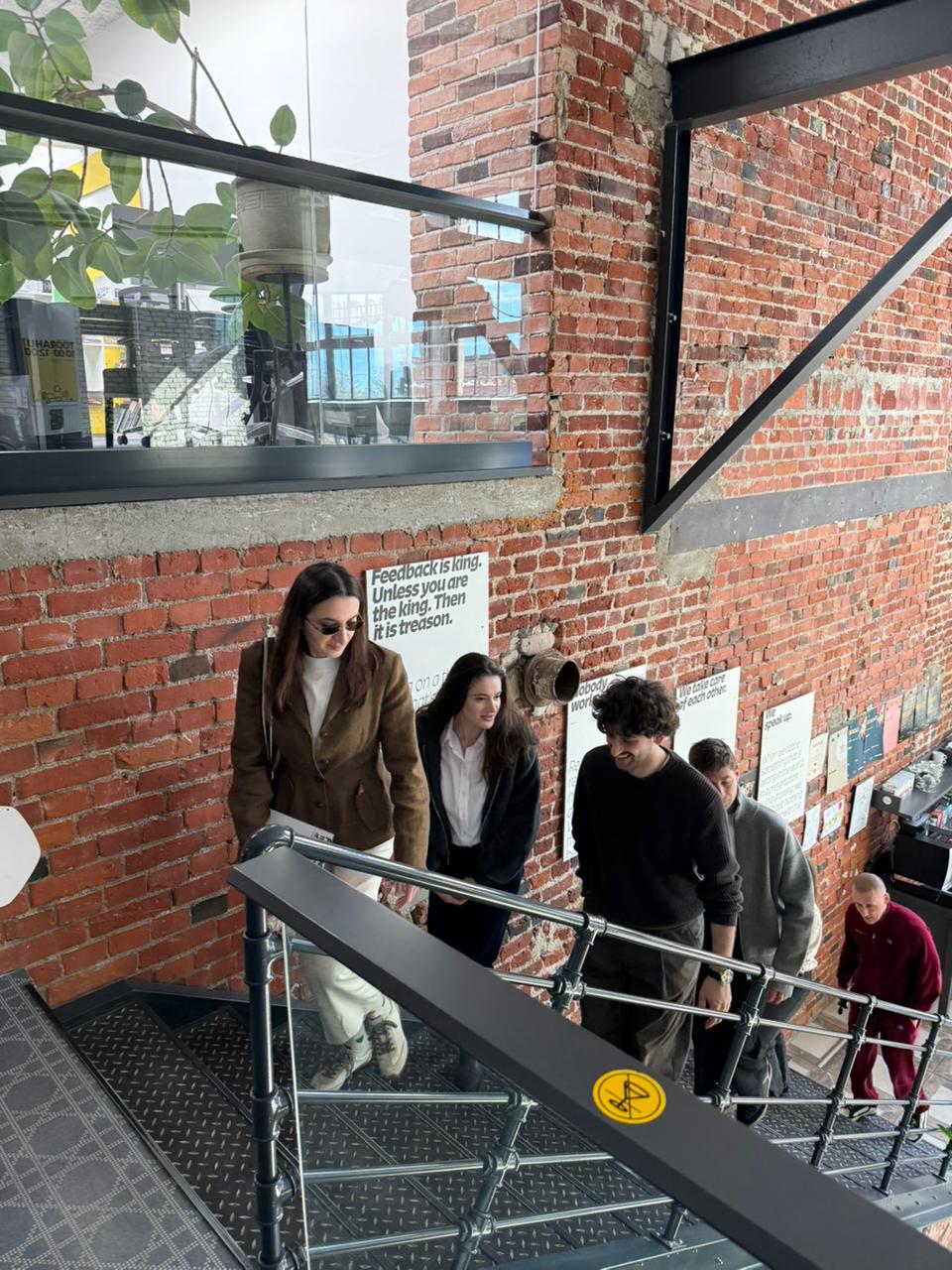
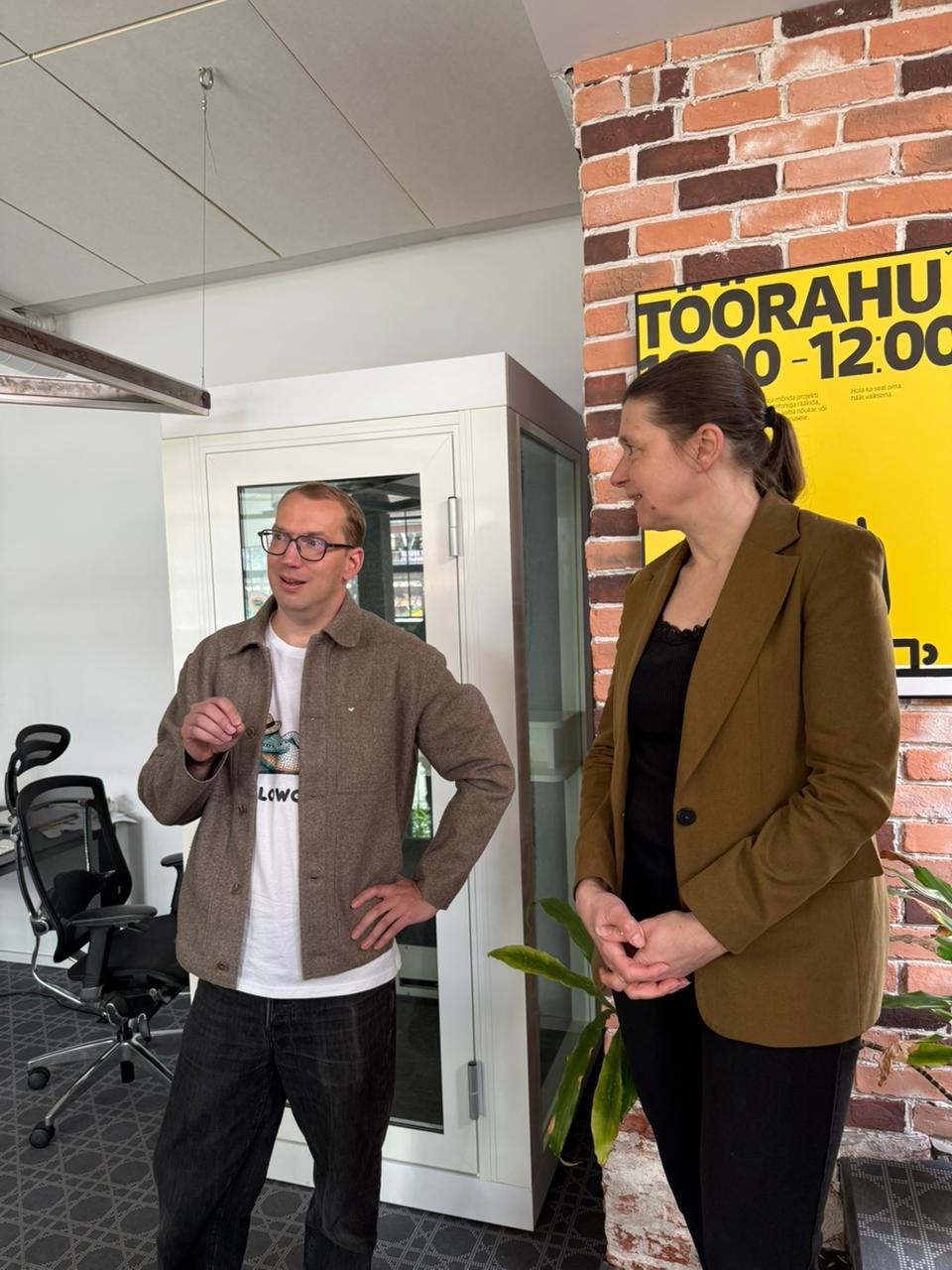
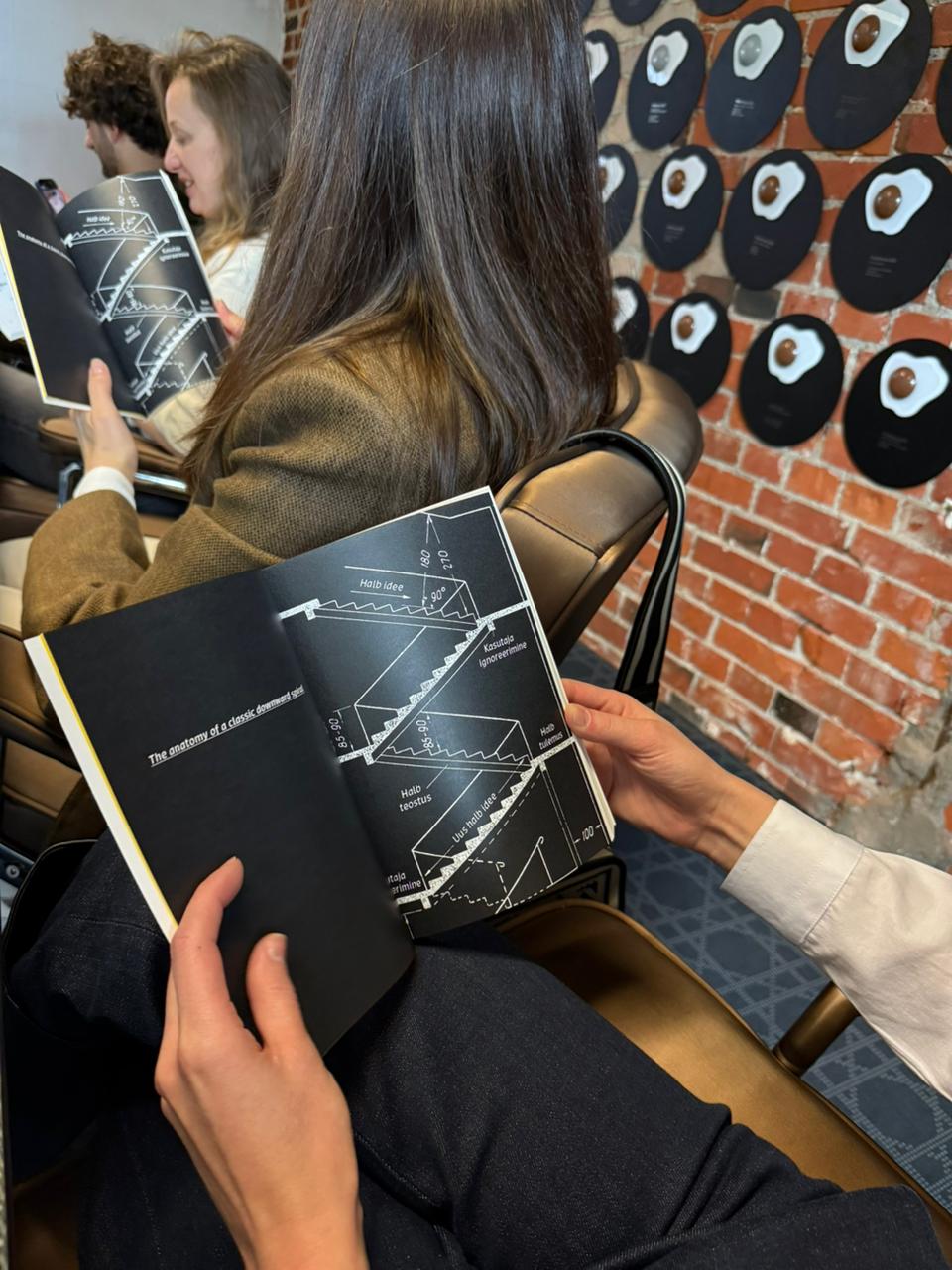
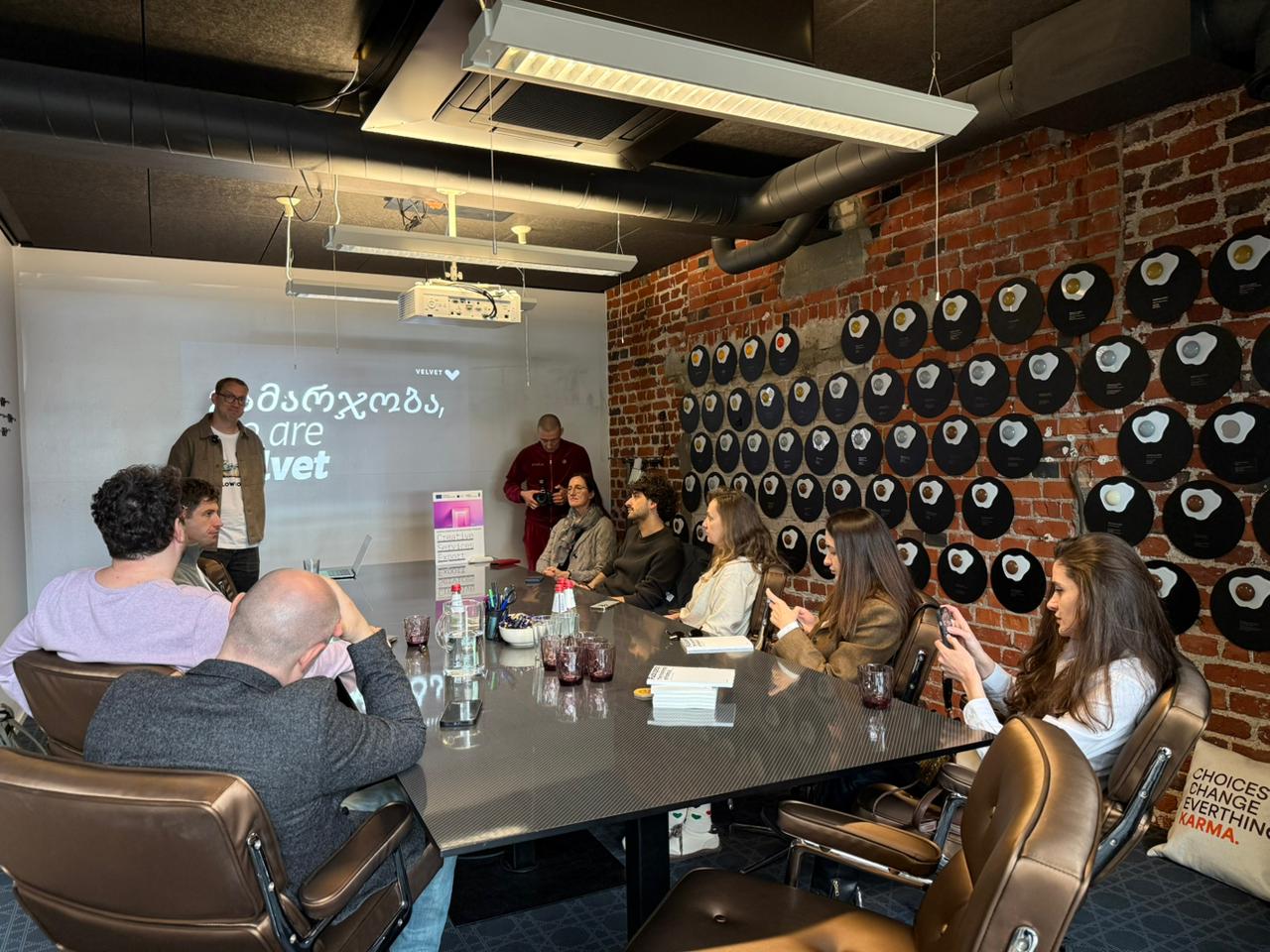
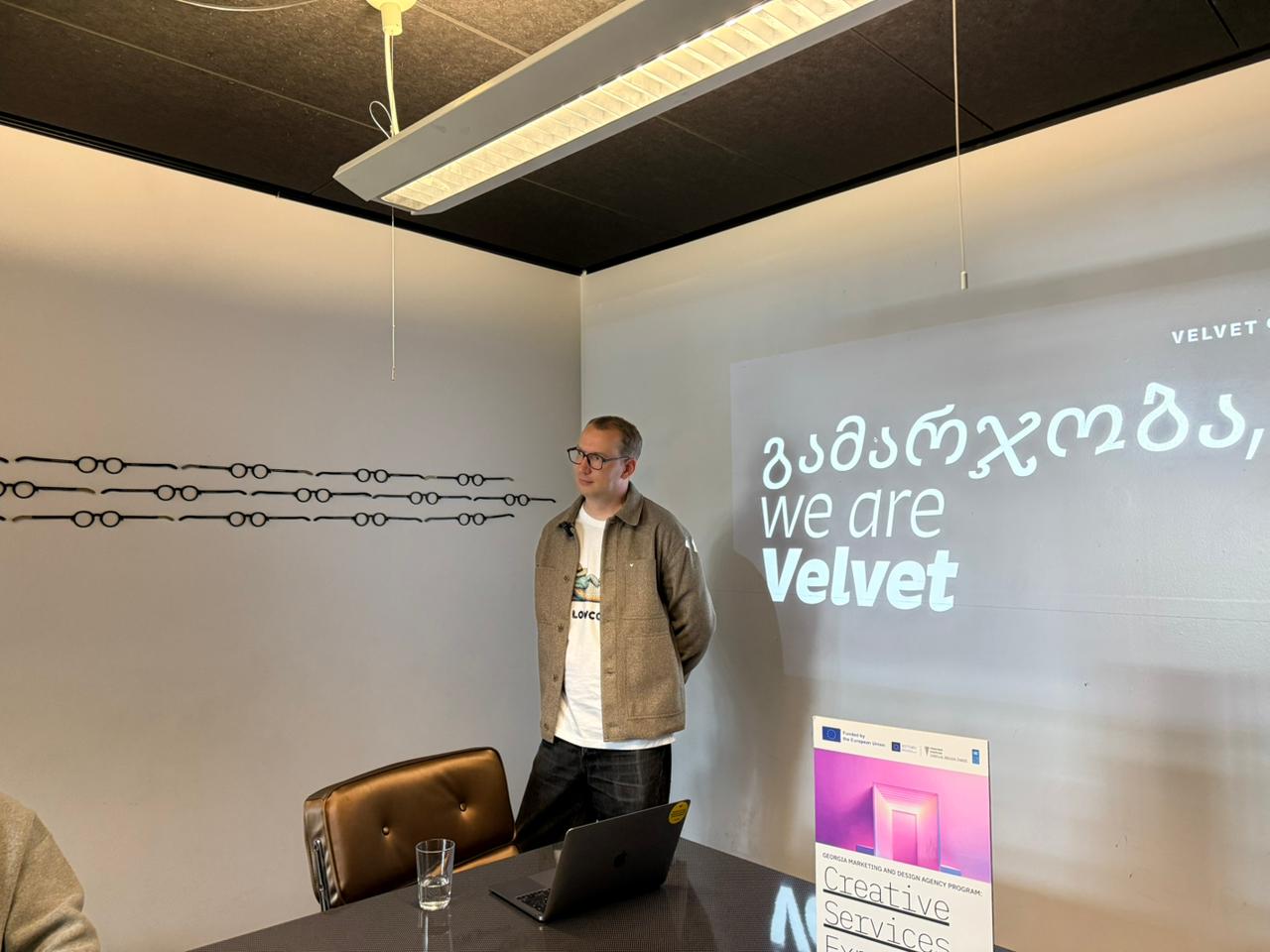
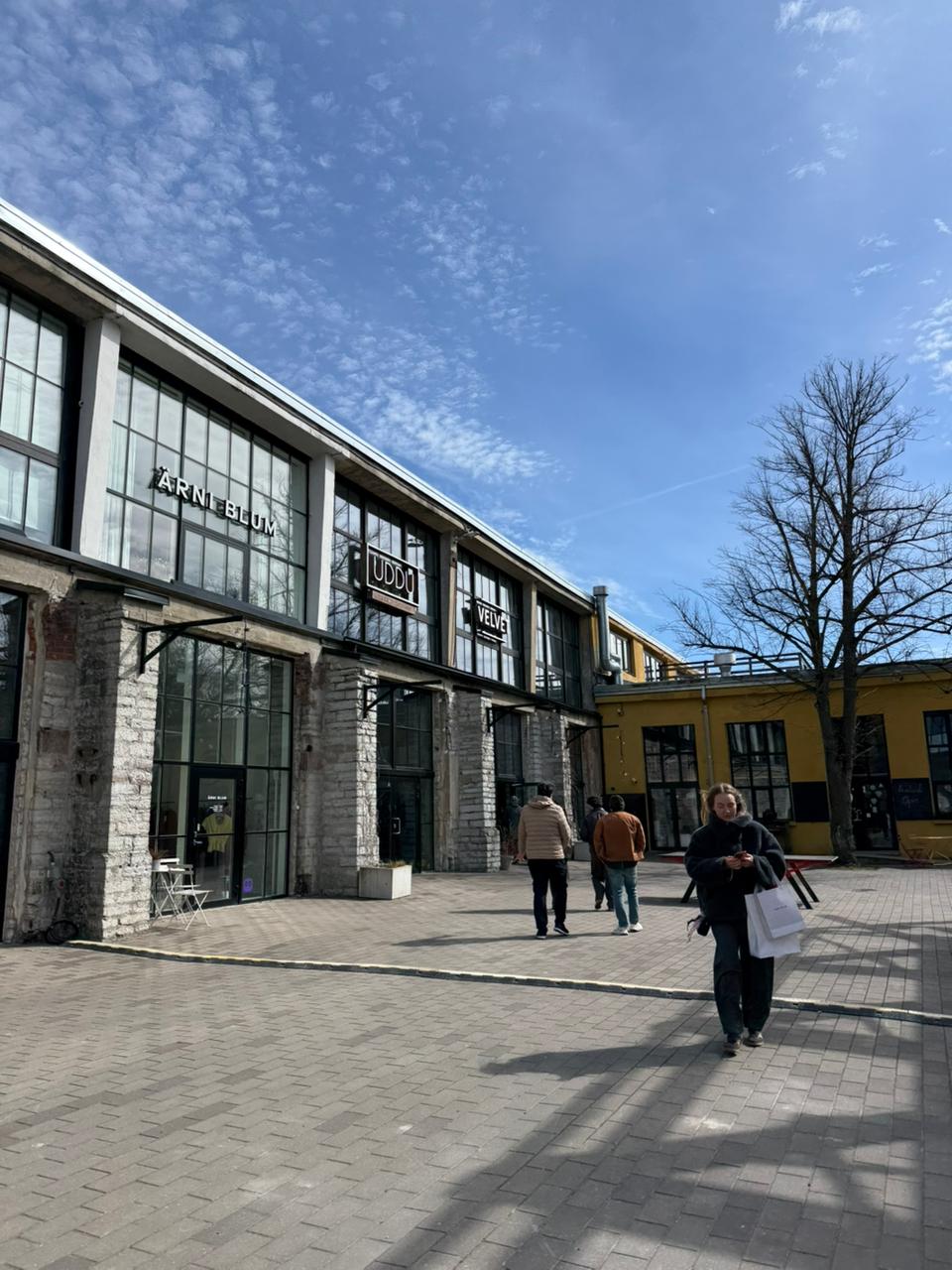
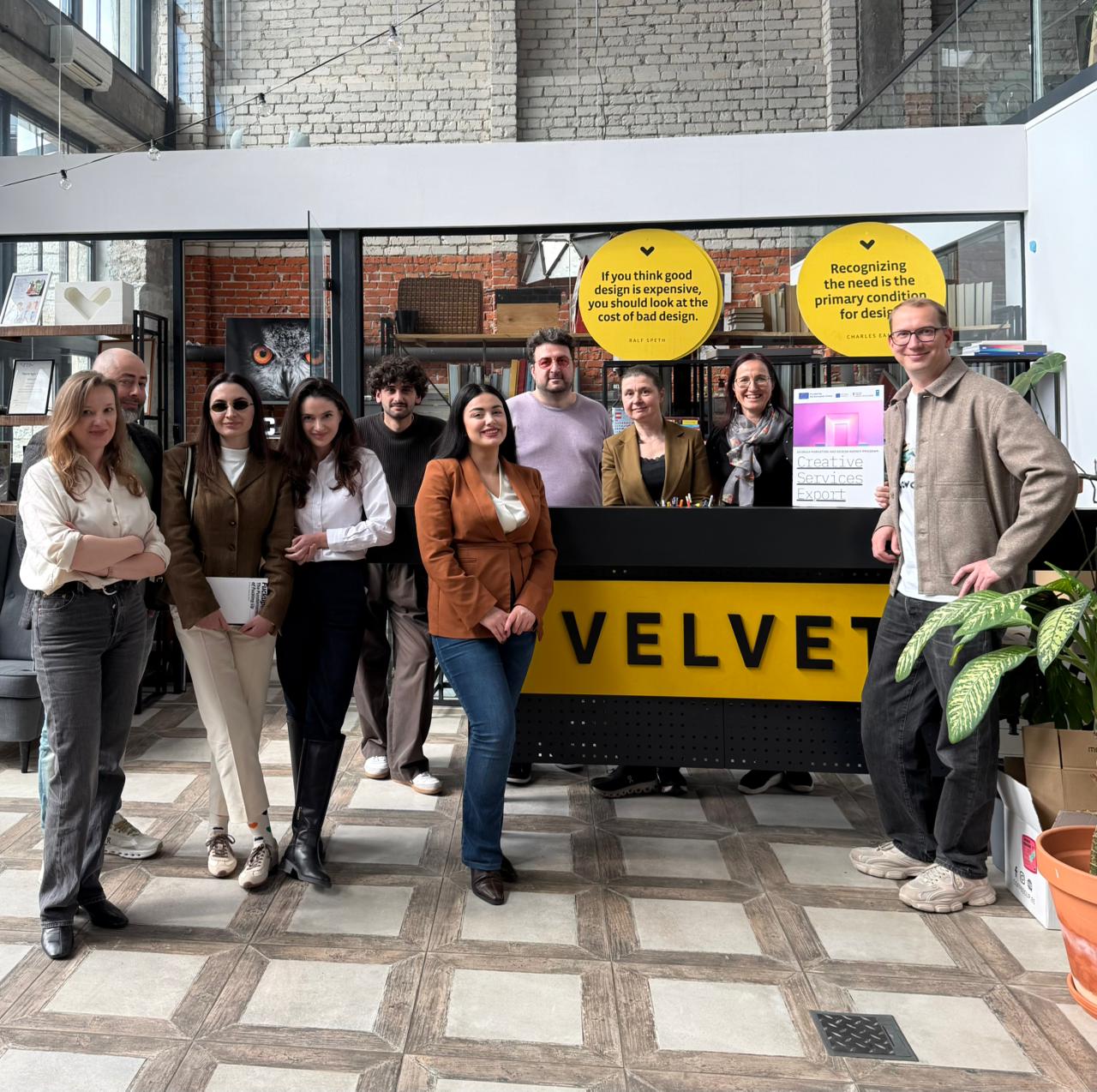
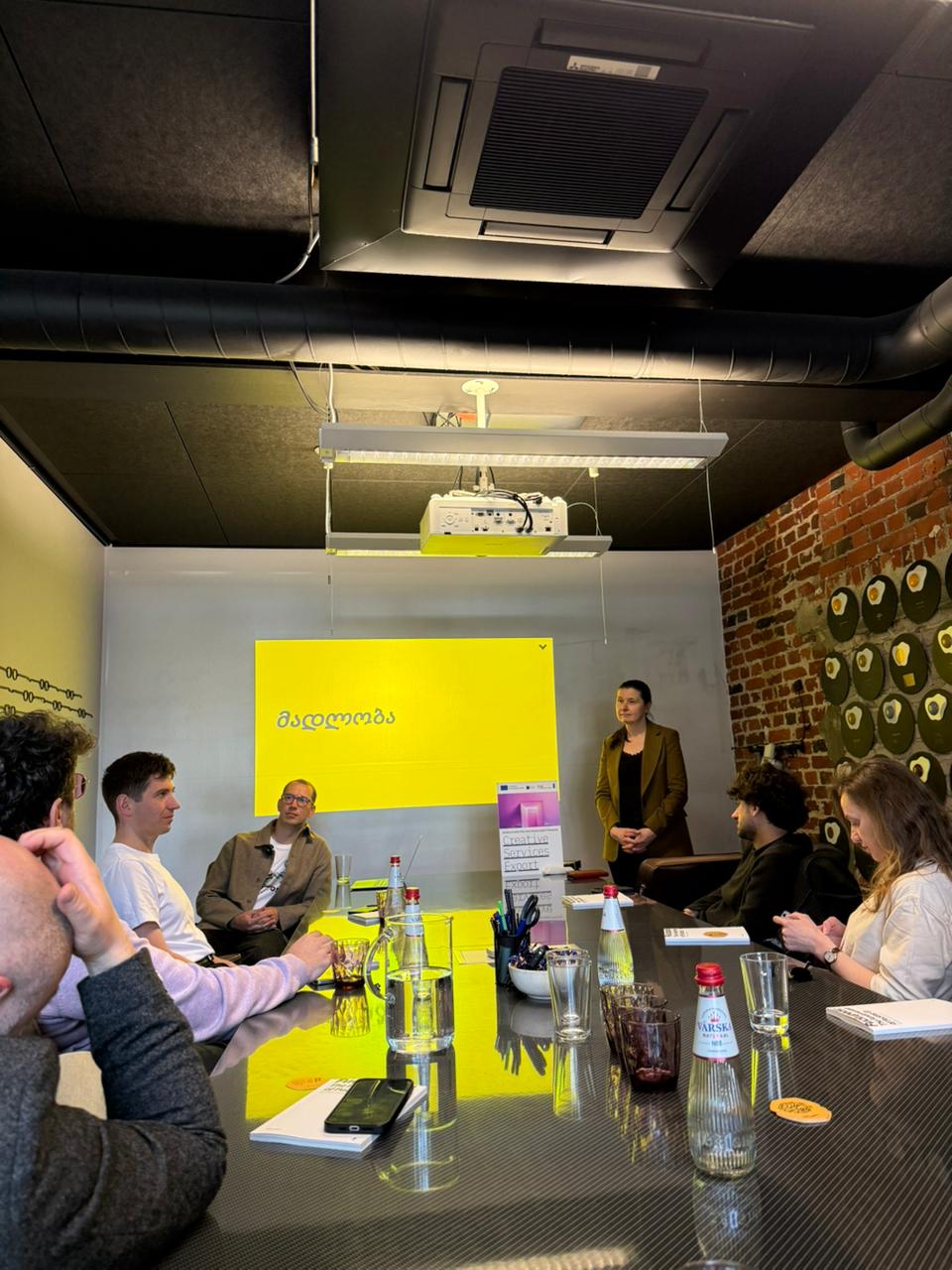
The final professional session took place at Velvet, a strategic design agency based in Telliskivi Creative City. The session focused on the application of design methodologies in service development, organisational transformation, and customer experience design. Participants observed how design thinking is systematically used to align business strategy with user needs and to develop scalable, innovation-driven solutions across sectors.
Cross-Cultural Collaboration and Networking
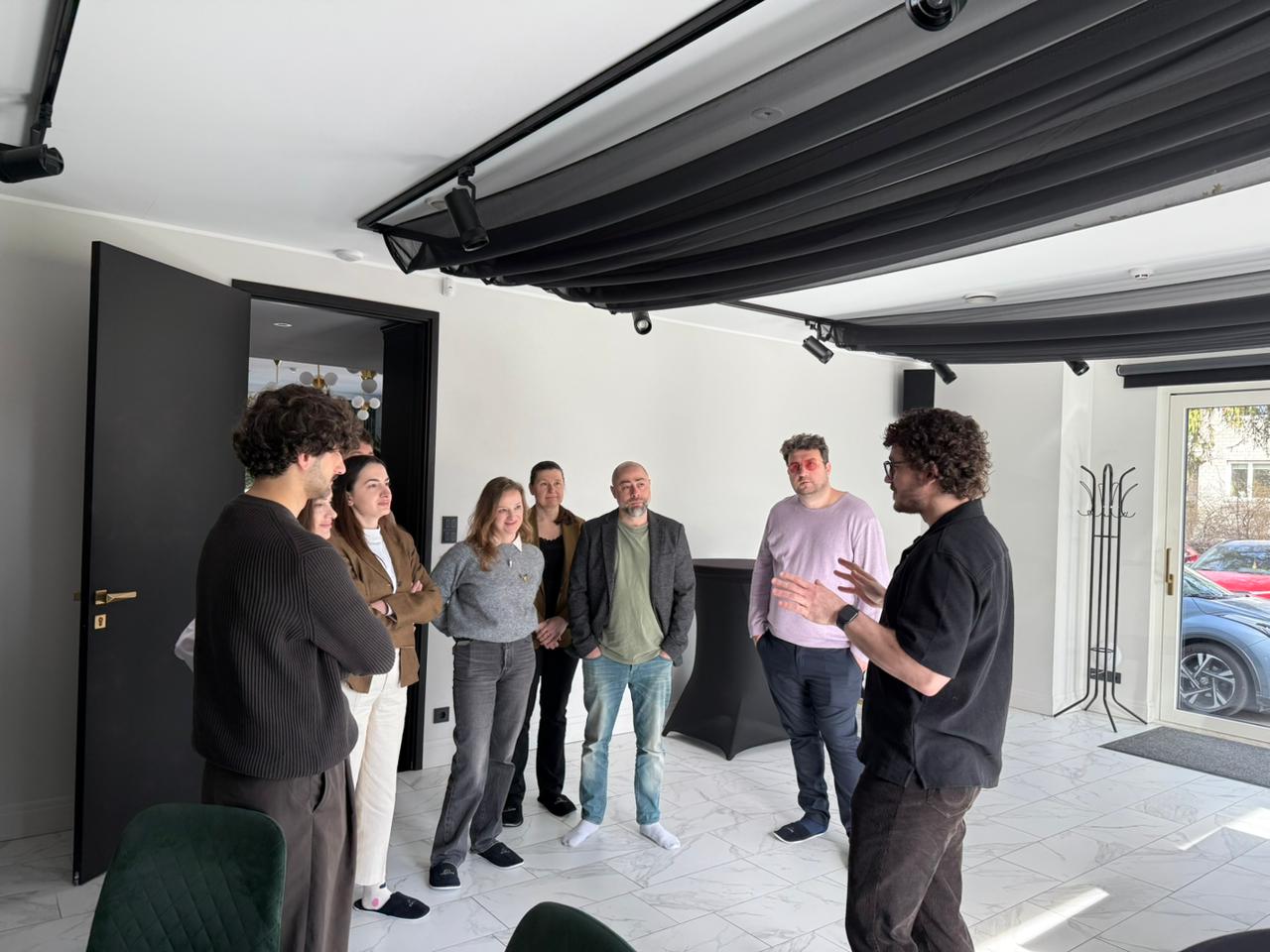
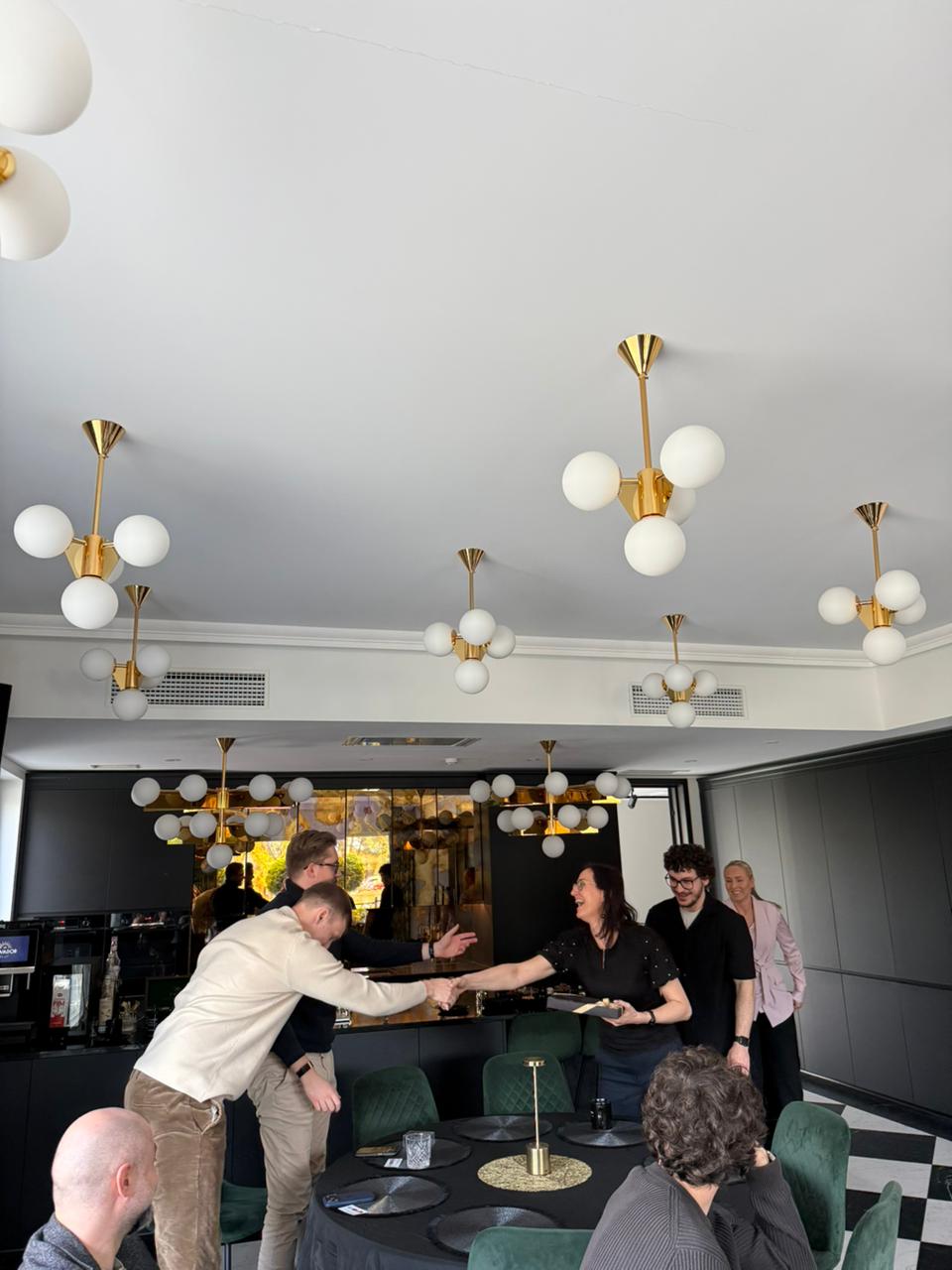
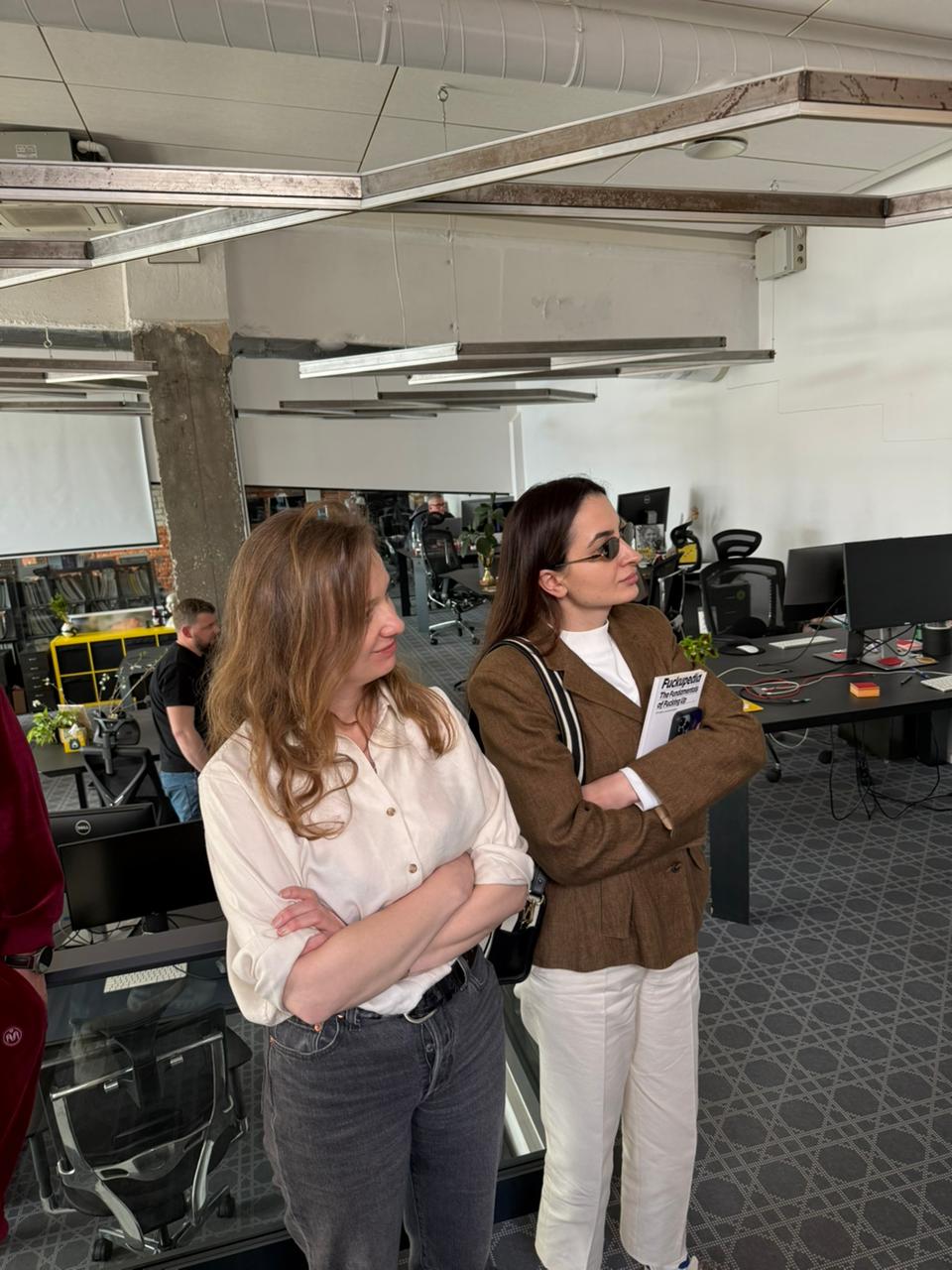
The Estonia study visit created a structured platform for cross-cultural professional exchange between Georgian creative agencies and Estonian industry representatives. These interactions enabled direct dialogue on topics such as digital transformation, market positioning, service design, and internationalisation strategies.
When viewed in conjunction with the Finland study visit, the Estonia component strengthened the comparative learning dimension of the programme. Participants were able to contrast flexible creative business ecosystems in Finland with Estonia’s digitally integrated governance and institutionally structured industry environment, deepening their understanding of different European operational models.
Across the Estonia study visit, participants developed a comprehensive understanding of how digital governance systems, structured professional networks, and strategic design methodologies function as interconnected drivers of business competitiveness in advanced European economies.
Key takeaways included enhanced awareness of digital infrastructure as a foundation for scalable service delivery, improved understanding of strategic positioning in international markets, and practical exposure to design-led innovation approaches in both public and private sector contexts.
The combined Finland and Estonia study visits provided participants with actionable reference models for adapting their own agency structures toward export readiness, operational flexibility, and international market alignment.
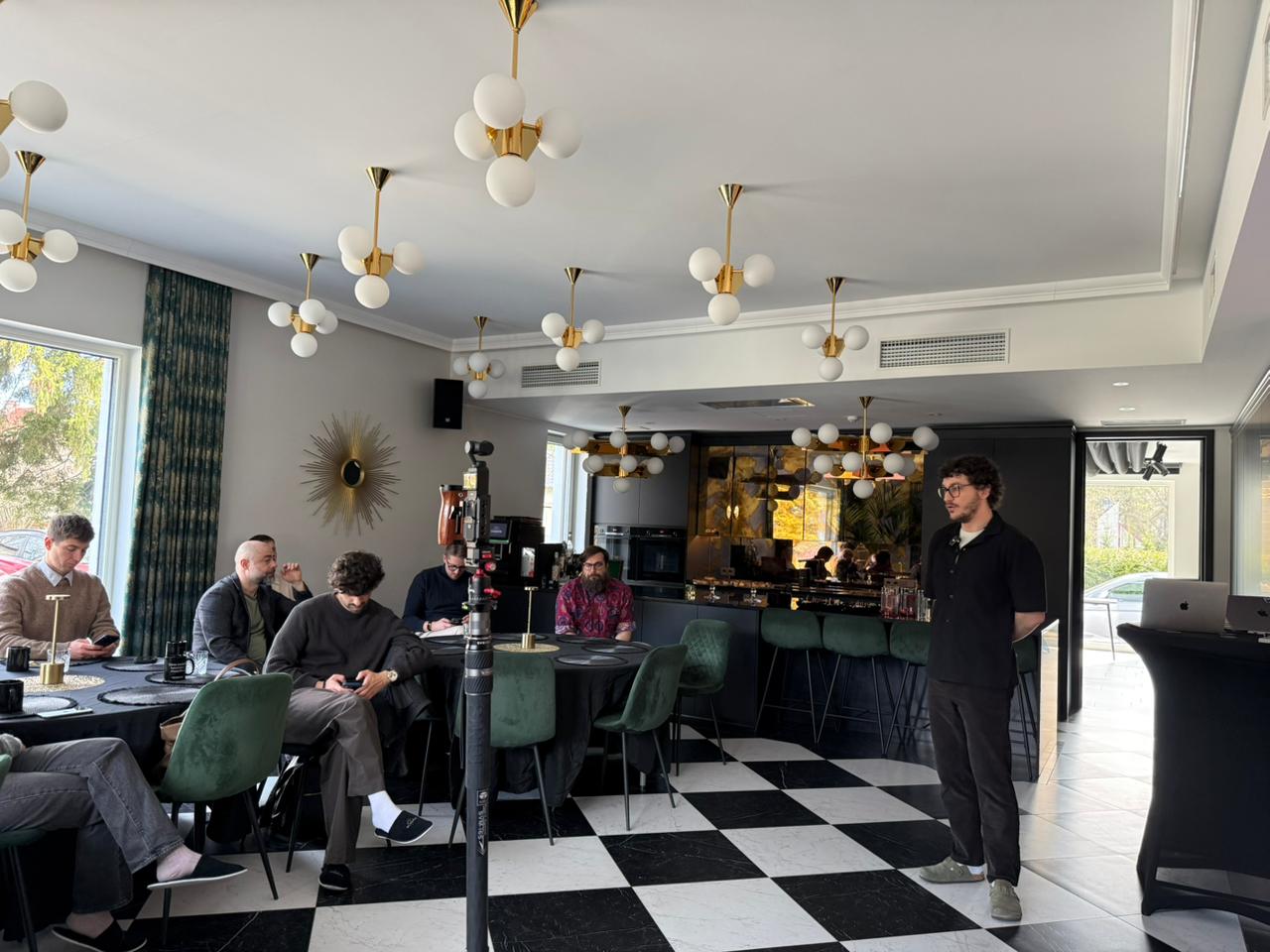
The Estonia study visit was implemented within the framework of the “Creative Services Export” programme led by Visionest Institute, supported by the European Union and delivered in partnership with UNDP Georgia and the Estonian Centre for International Development (ESTDEV).
Programme continuity and coordination across all phases were ensured through the joint efforts of the Visionest Institute team, including CEO Anu-Mall Naarits, Project Manager Krista Kulderknup, and the programme coordination team, who supported the alignment of training activities, mentorship processes, and international study components into a coherent learning journey.
This integrated approach enabled the effective translation of structured capacity-building activities into practical, real-market learning experiences for participating agencies, strengthening their long-term export readiness and international development potential.
From Learning to Implementation
The Estonia study visit marked a critical transition point within the “Creative Services Export” programme, where structured international learning is directly translated into applied business development strategies. Building on the combined insights from Finland and Estonia, participating agencies are now positioned to integrate practical knowledge on digital governance systems, creative industry structures, and strategic design methodologies into their own operational and export models.
This phase reinforces the programme’s core objective of moving beyond knowledge acquisition toward implementation-oriented capacity building, ensuring that international exposure results in tangible improvements in service design, market positioning, and client acquisition strategies. Through this structured progression, participating agencies strengthen their readiness to operate within European and global markets with greater strategic clarity and competitiveness.