
These days, Armenian producers are sending samples of their products from Armenia to Estonia. In a few days, the large “Made in Armenia” exhibition will take place in the capital Tallinn, in which more than 80 Armenian producers will participate.
Why now, and why Armenian products?
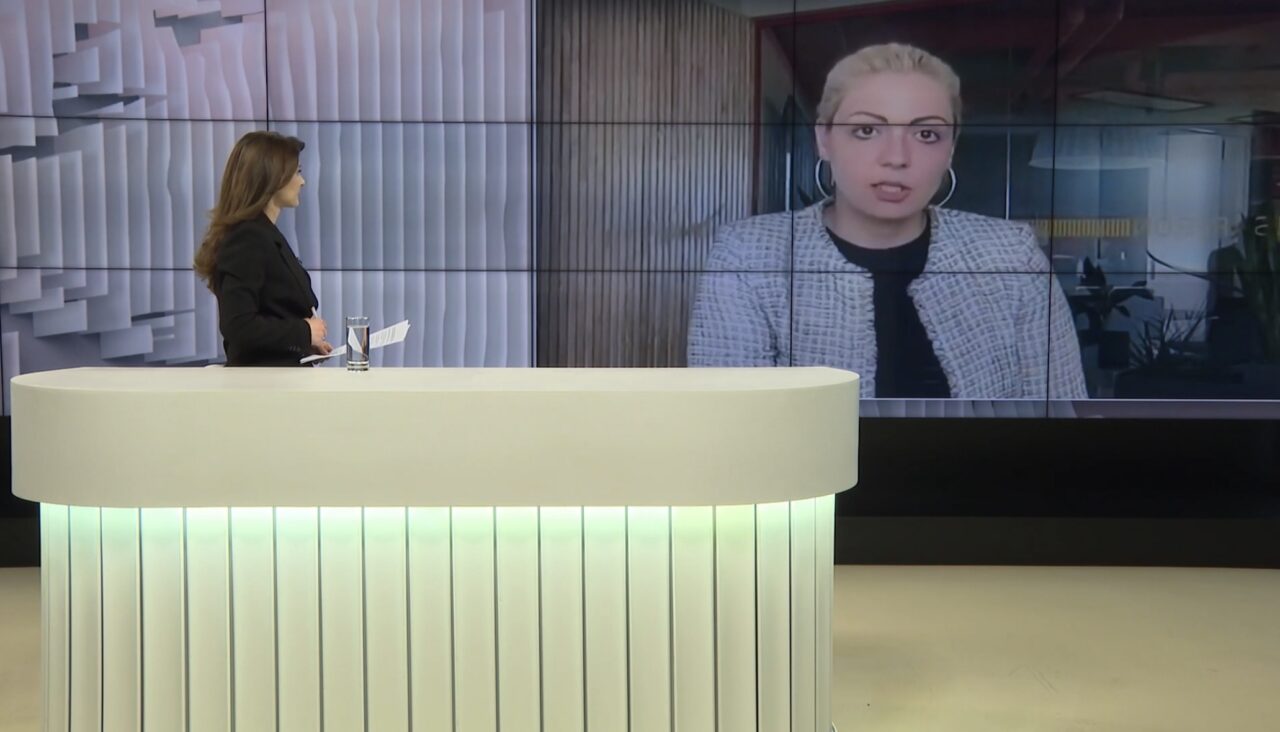
Honorary Consul of Armenia in Estonia, Piruza Harutyunyan, presented the reason and goal of the initiative on the air of the Public Television of Armenia.
“The decision was made very quickly, about two weeks ago, during the period when elections were taking place in Armenia. The developments surrounding those elections received considerable attention in Estonia and resonated with many Estonians. While discussing various ways Estonia could support Armenia with Estonian diplomats, I proposed organizing an exhibition where we could present Armenian producers’ products and services to the Estonian market, ” said Harutyunyan.

Armenian products expo will take place on July 3–4, creating new opportunities for Armenians to enter the Estonian and wider Baltic markets. The initiative, supported by the Estonian government, aims to strengthen economic cooperation between Armenia and Estonia while helping Armenian businesses diversify their export destinations.
“The exhibition will combine both B2B and B2C formats. We will present Armenian products not only to consumers but also to businesses and enterprises, ” noted Piruza Harutyunyan.
New connections with retailers, distributors, wholesalers, and business partners: this is how Armenians will develop their partnerships.
The products already sent to Estonia are from various sectors, including food/beverages, as well as pharmaceuticals.
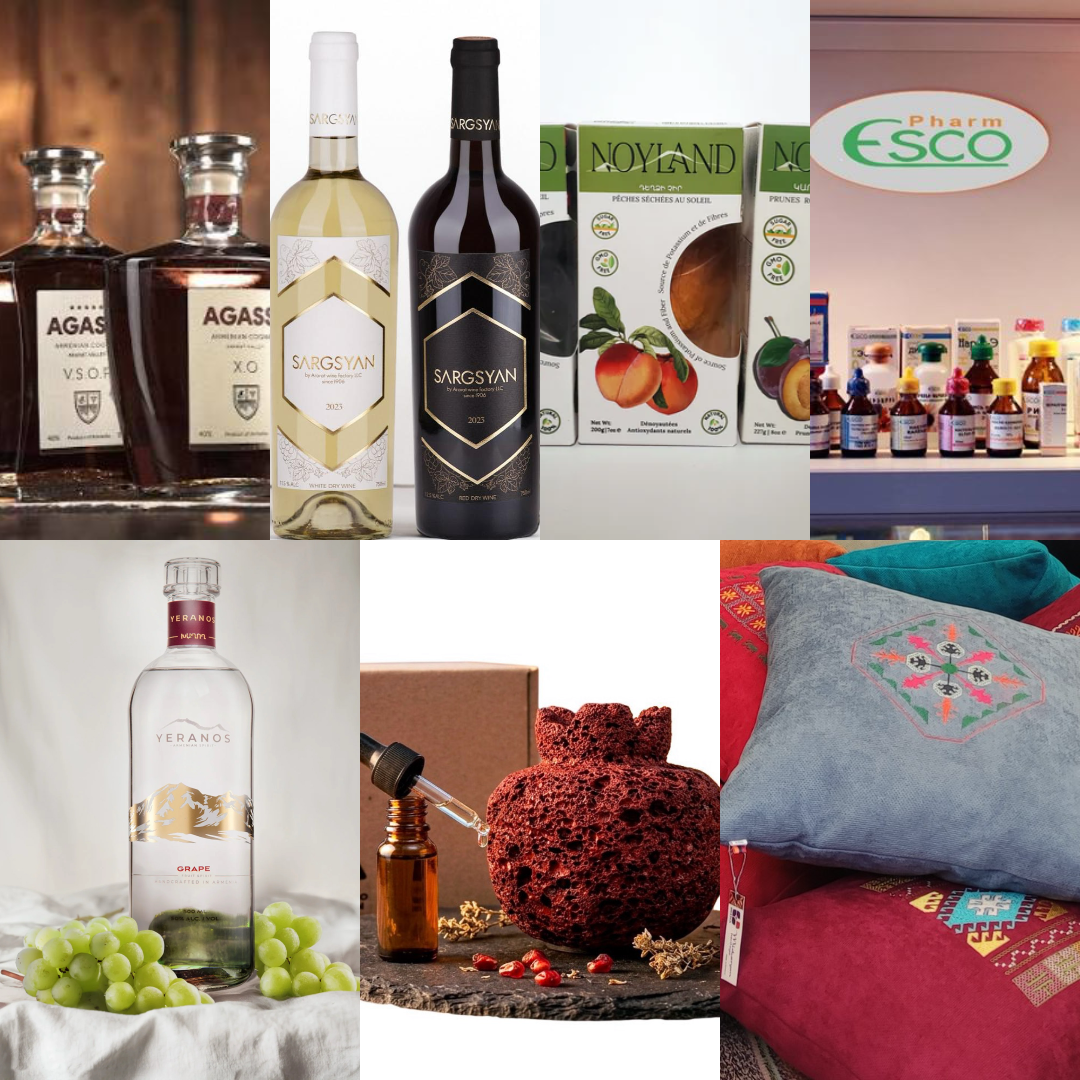
More than 20 companies are participating in the exhibition with the strong support of the Estonian Visionest Institute, which has established a presence in Armenia and works with a network of more than 100 producers from different regions of the country.
Organizers estimate that the event will attract more than 3,000 visitors, a significant number by Estonian standards.
“The audience will not be limited to Estonians alone. We’ll welcome people living in Estonia, as well as visitors from Finland and Sweden, since the venue is located close to the ferry terminals. We also expect guests from Riga and Vilnius, making this a truly regional event for the Baltic and Nordic markets,” said Harutyunyan.
The initiative has received significant backing from the Estonian Ministry of Foreign Affairs, which is covering most of the organizational expenses, including venue rental, security, equipment, and promotional activities.
The organizers are also cooperating with the Estonian Chamber of Commerce, which represents more than 200 companies, along with supermarket chains, wholesalers, and industry representatives interested in discovering Armenian products.
“The exhibition will be officially opened by Estonia’s Minister of Foreign Affairs, while organizers are also working to secure participation from Armenian government representatives to further promote Armenia’s export potential and tourism sector,” noted Harutyunyan.
One of the exhibition’s unique features is that Armenian companies do not need to travel to Estonia in order to participate.
Producers can simply send product samples along with company information. Local volunteers and members of the Armenian community in Estonia will present the products, while all promotional materials will be translated into English and Estonian.
Based on market research and previous experience, Harutyunyan believes several Armenian product categories have excellent prospects in Estonia and neighboring countries.
Among the most promising are: natural dried fruits, Armenian wines, spices, traditional sweets, including fruit-and-walnut delicacies, natural cosmetics, handmade jewelry, fashion, and designer products.
“Estonian consumers particularly value natural, trustworthy, and high-quality products,” emphasized she.
Harutyunyan believes the current political climate has created a unique opportunity for Armenian businesses.
Following the opening of the Estonian Embassy in Armenia earlier this year and Estonia’s growing support for Armenia, both governments are actively seeking ways to strengthen bilateral cooperation.
“The attitude toward Armenia is more positive today than ever before,” she said. “The market is open, and there is genuine willingness to support Armenian businesses,” Harutyunyan said.
However, she stressed that long-term success will depend not only on initial interest but also on product quality, competitive pricing, efficient logistics, certification, and building lasting business relationships.
According to the Honorary consul, the initiative is expected to become an important milestone in expanding Armenia’s export geography and strengthening economic ties between Armenia, Estonia, and the broader Baltic region.